

What the Closure of the CFPB Means for Credit Repair and Medical Debt
For years, the Consumer Financial Protection Bureau (CFPB) has been a safeguard for everyday people against predatory financial practices.
From fighting shady credit repair companies to tackling medical debt reporting, it’s been one of the few organizations standing between consumers and financial disaster.
But with its closure, things just got a whole lot more complicated.
In this article, we’ll take a look at:
The Future of Credit Repair Without the CFPB
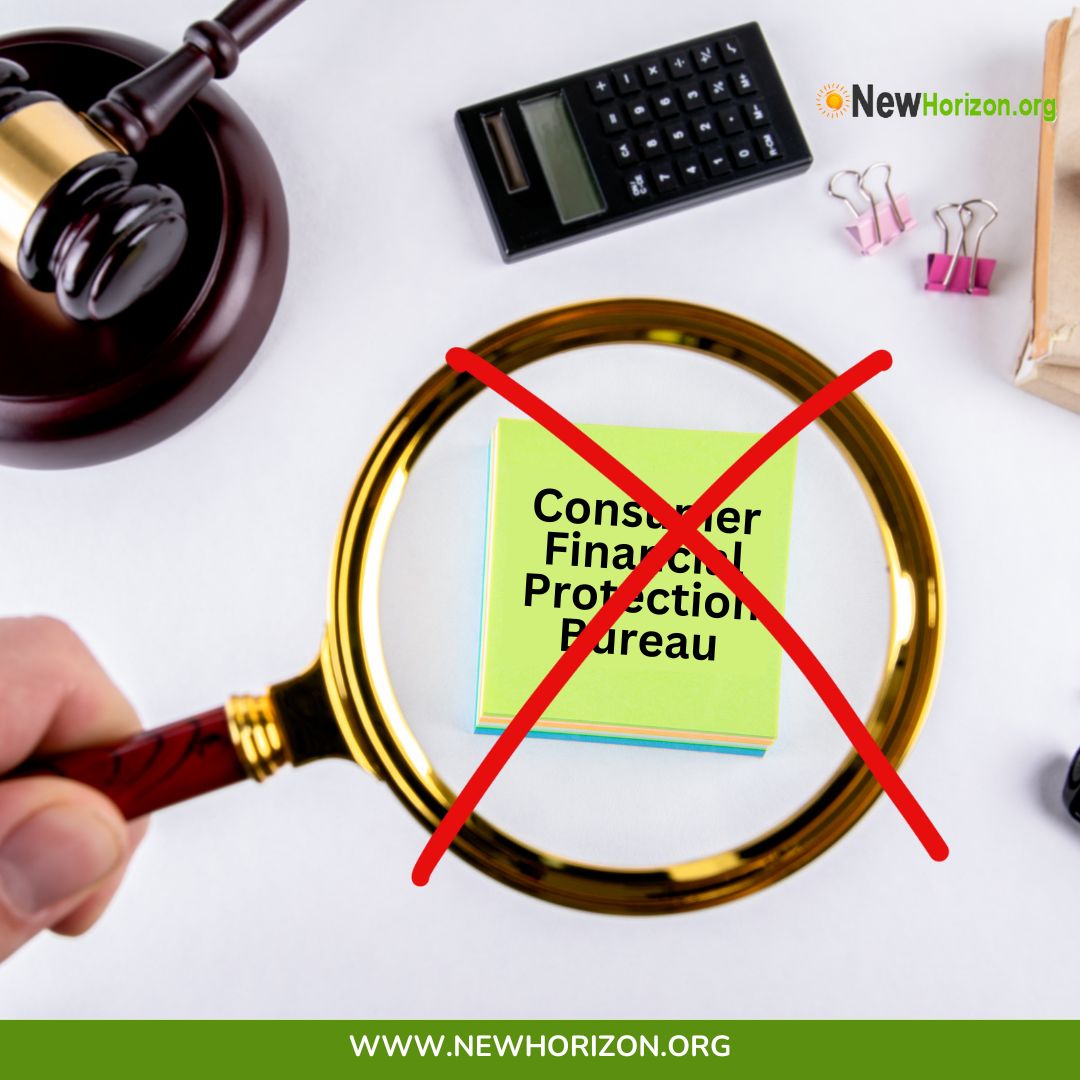 If you’ve ever tried fixing your credit, you know it can feel like an uphill battle. The Consumer Financial Protection Bureau played a key role in making sure credit repair companies followed the rules. They cracked down on those charging upfront fees, making false promises, or taking advantage of people desperate for financial relief.
Without the CFPB actively monitoring these businesses, there will probably be a rise in deceptive credit repair schemes.
More companies may start pushing expensive, ineffective services, preying on people who don’t know their rights. This means if you’re trying to fix your credit, you need to be extra cautious.
If you are one of our credit repair students, you know that no company can magically erase negative information from your report overnight—anyone promising that is scamming you.
So what can you do?
Stick to the basics.
Dispute errors yourself, keep your credit utilization low, and make on-time payments. If you do seek outside help, research the company thoroughly and never pay upfront for promises of better credit.
What Happens to Medical Debt on Credit Reports?
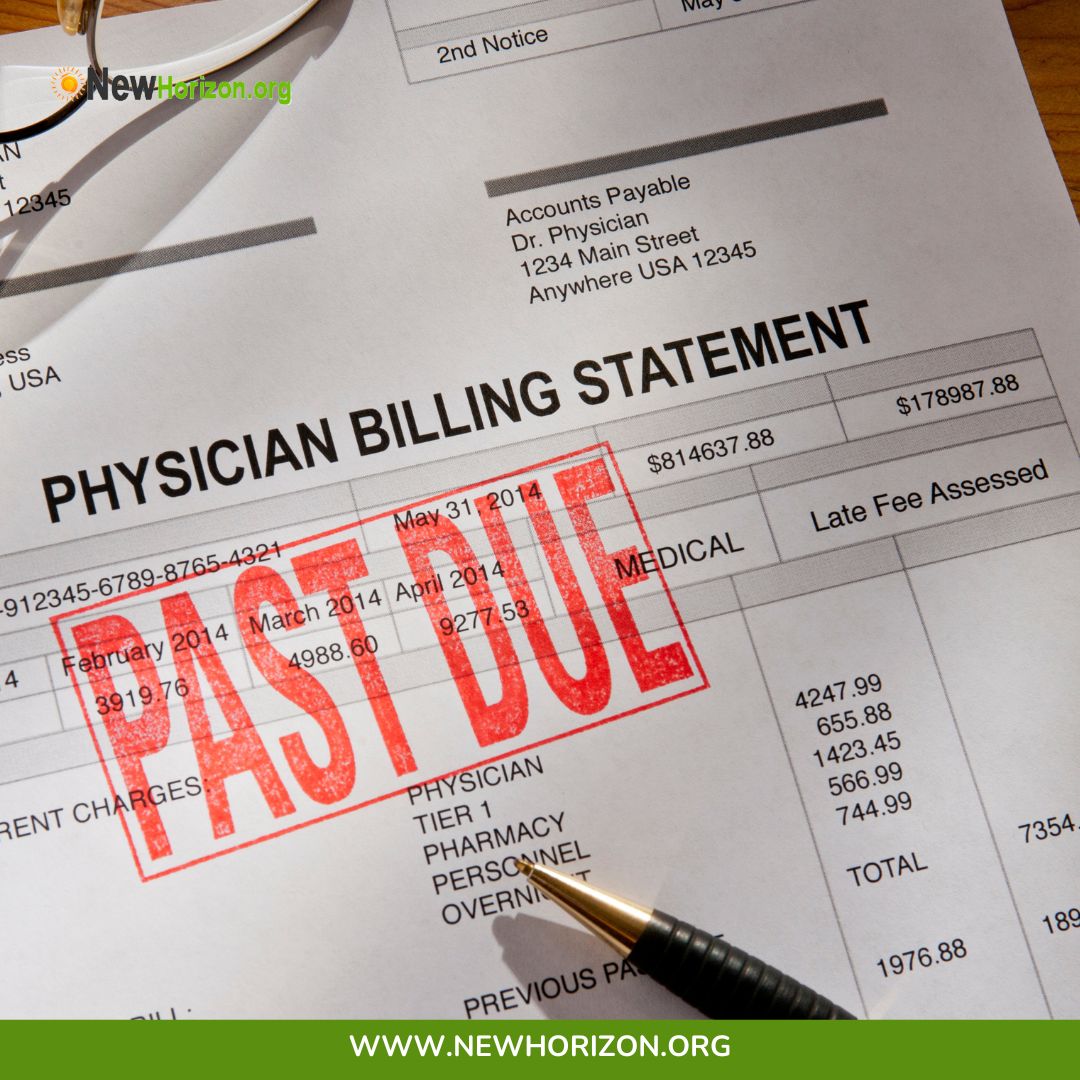 Medical debt has been one of the biggest headaches for people struggling with their credit. You get sick, end up with a bill you can’t afford, and suddenly your credit score is in the gutter.
In 2023, the major credit bureaus—Equifax, Experian, and TransUnion—stopped reporting paid medical collection debts and removed many smaller unpaid medical debts from credit reports.
They also extended the waiting period before medical debts in collections could appear on a credit report from six months to one year. Additionally, medical debt under $500 is no longer reported.
The CFPB was working on even stronger protections that would have completely removed medical debt from credit reports, ensuring that unpaid medical collections wouldn’t impact credit scores at all.
But with the CFPB’s closure, it’s unclear whether these protections will move forward. There’s concern that credit bureaus or lenders could find loopholes or slow down full implementation of these changes.
If you have outstanding medical debt, now is the time to take action. Contact the provider to see if you can negotiate a payment plan or settlement.
If your bill has already gone to collections, know that paying it won’t necessarily help your credit score, but it can stop further damage. Stay on top of your credit report and dispute any inaccuracies you find.
What This Means for You Moving Forward
 The loss of the CFPB as a consumer advocate means we have to be more proactive in protecting ourselves. Credit repair companies may have more freedom to operate without oversight, and medical debt could remain a thorn in the side of millions of Americans.
But that doesn’t mean you’re powerless. Keep yourself informed, question everything, and don’t fall for quick-fix solutions. Building good credit takes time, but with the right strategies, you can still take control of your financial future—even without the CFPB watching your back.
If you want to take charge of your credit journey with expert guidance, our DIY Credit Repair Training Course is the perfect resource to help you navigate the process step by step. Learn how to dispute errors, negotiate with creditors, and rebuild your credit the right way. Don’t wait for the system to change—start fixing your credit today!