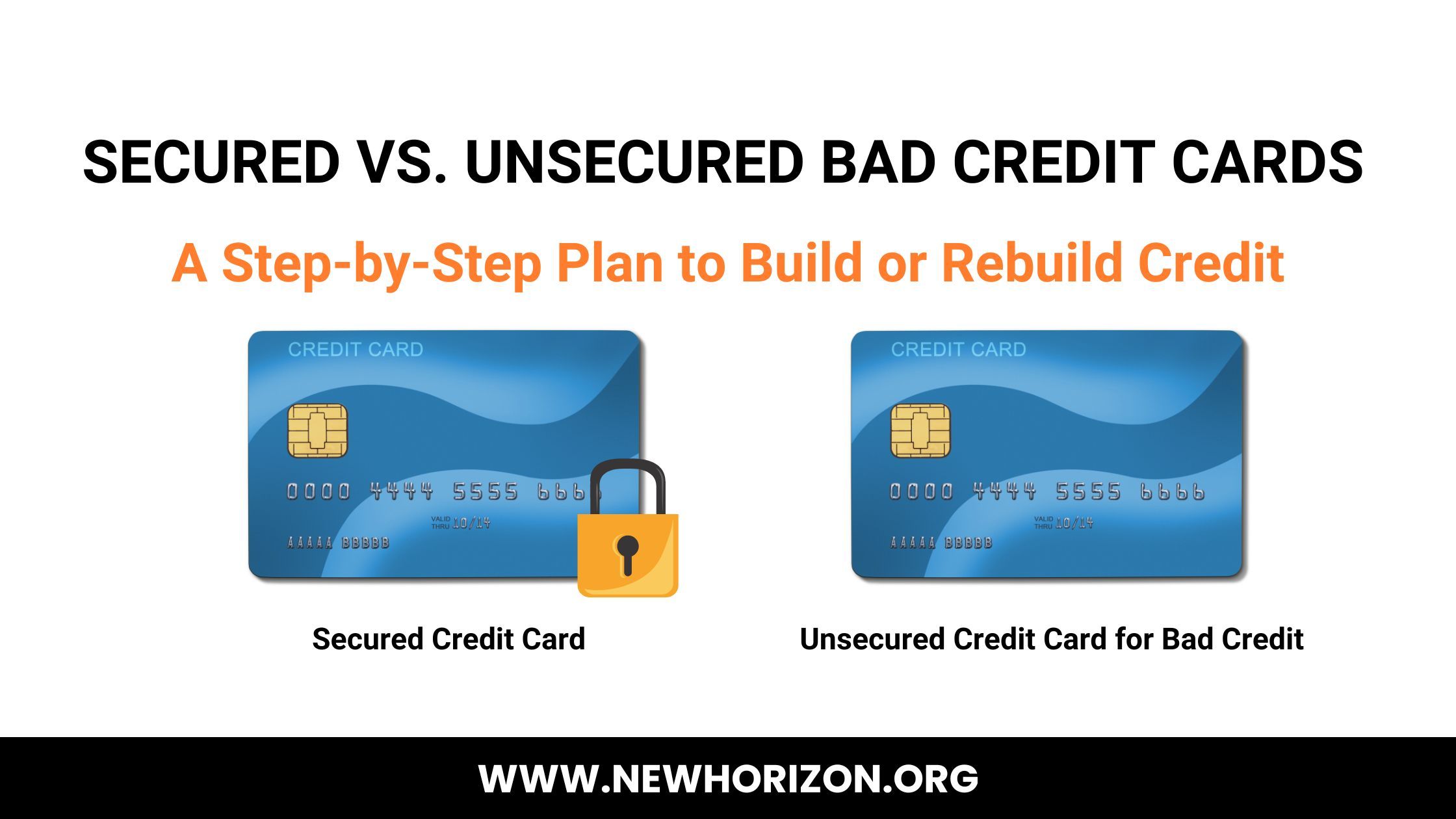
Secured vs. Unsecured Bad Credit Cards: A Step-by-Step Plan to Build or Rebuild Credit
If you’re reading this, chances are you’re feeling frustrated about your credit. Maybe you’ve been turned down for a credit card, or lenders keep offering sky-high interest rates. Or perhaps you’re just starting out with no credit history at all and don’t know where to begin.
Here’s the good news: having bad credit or no credit doesn’t mean you’re stuck forever. Rebuilding your credit isn’t about magic tricks or luck—it’s about using the right tools, like secured and unsecured bad credit cards, and developing habits that move your score in the right direction, one step at a time.
This article will break down both types of cards—how they work, why they’re helpful, and how you can use them together to build or rebuild your credit. You’ll leave with a clear plan you can follow, no matter where you’re starting from.
Because here’s the truth: Your credit score isn’t a life sentence. It’s just a number that reflects where you’ve been—not where you’re going. And with the right strategy, you can start writing a new story for your finances, starting today.
Let’s get to it.
“Small steps lead to big changes – your credit score is no exception.”
In this article, we’ll take a look at:
Section 1: What Are Secured Credit Cards?
If you’ve struggled to get approved for a credit card because of bad credit or no credit, a secured credit card could be your perfect starting point.
What is a Secured Credit Card?
 A secured credit card works just like a regular credit card, with one key difference: you provide a cash deposit upfront as collateral. This deposit acts as security for the credit card company in case you don’t pay your bill. In most cases, your credit limit matches the amount of your deposit. For example, if you put down $200, your credit limit will also be $200.
This might feel like you’re “paying to borrow your own money,” but the truth is, a secured credit card is a powerful tool to rebuild your credit when traditional lenders say no.
Why It’s Easier to Get Approved
Credit card companies see people with bad credit or no credit as risky borrowers. The deposit you provide makes you less risky in their eyes because it guarantees they won’t lose money if you fail to make payments. That’s why secured cards are much easier to get approved for—even if your credit history is shaky or nonexistent.
How Secured Credit Cards Work
- Step 1: Pay a deposit to open the card (usually between $200–$5000).
- Step 2: Use the card like a regular credit card—make purchases and pay off the balance each month.
- Step 3: Each month, your activity is reported to the three major credit bureaus (Equifax, Experian, and TransUnion).
- Step 4: Over time, consistent on-time payments will build, or improve your credit score.
The key is to treat the card responsibly: keep your spending low, pay on time, and pay in full. This shows lenders you can be trusted and improves your credit profile.
Pros and Cons of Secured Credit Cards
| Pros | Cons |
| Easier to get approved, even with bad credit. | Requires upfront cash for a deposit. |
| Builds or rebuilds credit when used responsibly. | Lower credit limits to start. |
| Acts as a “training tool” to build healthy credit habits. | Some cards charge annual or monthly fees. |
| Can lead to an upgrade to an unsecured card. | May take several months to see results. |
Why Secured Cards are a Great Starting Point
 Secured credit cards are the most reliable way to start rebuilding your credit. Even if you feel stuck right now, these cards give you the opportunity to prove yourself to lenders. Once you show consistent, responsible use, many secured cards will even refund your deposit and upgrade you to an unsecured card—opening the door to higher credit limits and better opportunities.
Remember: It’s not where you start, but where you finish. A secured card is your ticket to rebuilding your credit score, one on-time payment at a time.
Secured Credit Cards
 Here’s a list of some of the best secured credit cards currently available, catering to various credit-building needs:
- The Secured Self Visa® Credit Card
- Start building credit with all three credit bureaus with the secured Self Visa® Credit Card.
- Apply Now: Intro No Annual Fee with the secured Self Visa® Credit Card^
- No credit check
- No hard inquiry
- $100 minimum security deposit*
*Qualification for the secured Self Visa® Credit Card is based on meeting eligibility requirements, including income and expense requirements and establishment of security interest. Criteria Subject to change.
The secured Self Visa® Credit Card is issued by Lead Bank, Sunrise Banks, N.A., or First Century Bank, N.A., each Member FDIC.
^$0 annual fee for the first year only, $25 annual fee thereafter. Variable APR of 27.99%. Offer valid for new customers only.
- CreditSoup
- A better way to get a Card Offer!
- Secured Cards
- Search, Compare, Apply!
Our Recommendation: The Secured Self Visa® Credit Card – This is a true credit builder card! It starts with a credit line equal to your deposit, with a minimum deposit of just $100. There’s no hard credit check required, making it accessible even for those with no or poor credit. The card has a variable APR of 27.49% and a $25 annual fee. Plus, it reports to consumer reporting agencies, helping you build your credit effectively.
Section 2: What Are Unsecured Credit Cards for Bad Credit?
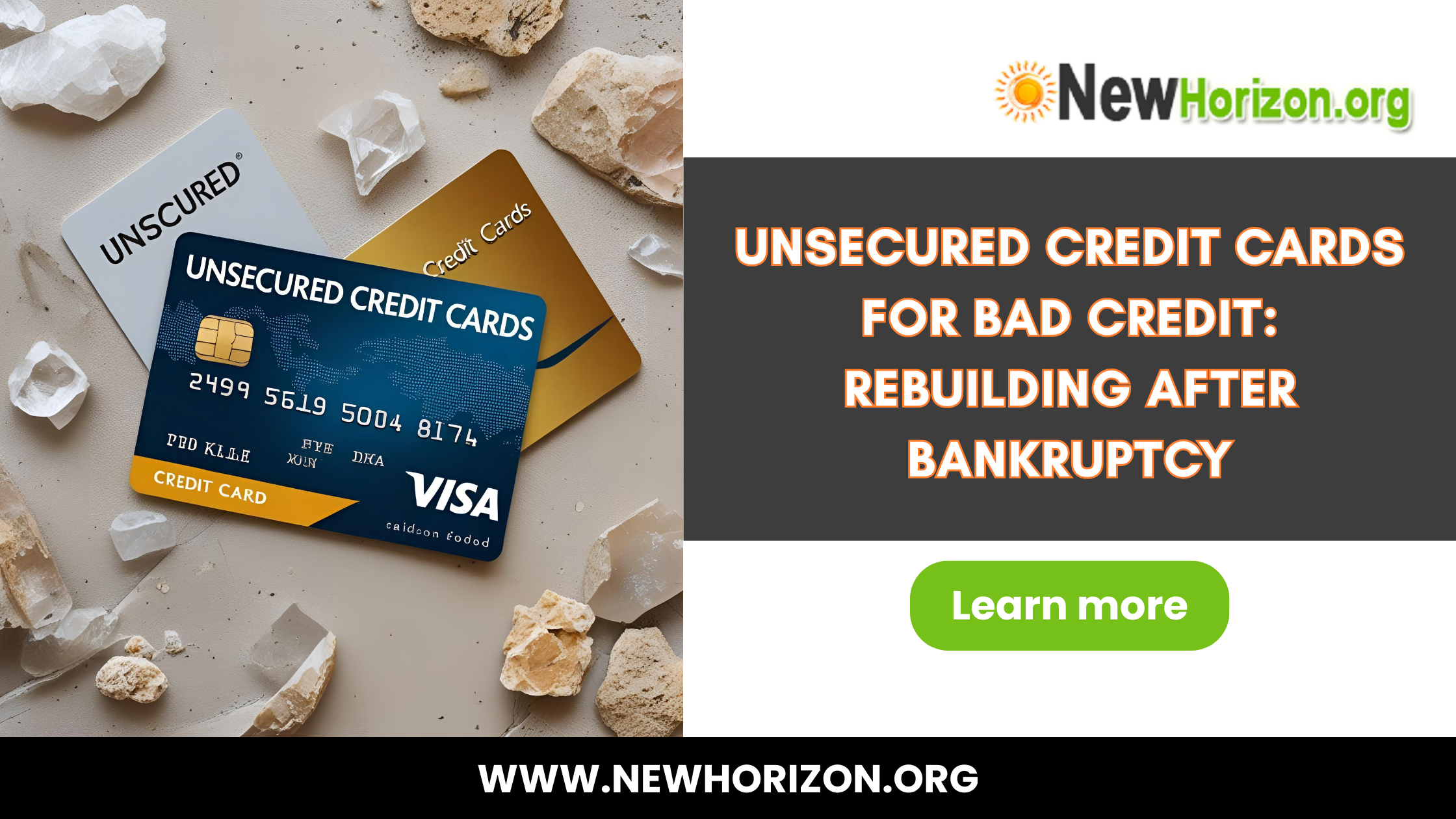
Once you’ve started to rebuild your credit—or if you’re exploring all your options—unsecured credit cards for bad credit can be your next step. Unlike secured credit cards, these don’t require a cash deposit, which can be a relief if money is tight. However, they come with their own challenges.
What is an Unsecured Credit Card?
 An unsecured credit card is a traditional credit card that doesn’t require any upfront deposit to secure the line of credit. Instead, lenders rely on your credit history and income to decide whether to approve you and how much credit to offer.
For people with bad credit, unsecured cards are often specifically designed to provide a second chance. They usually come with lower credit limits, higher interest rates, and sometimes annual fees, but they’re still a valuable tool for improving your credit when used wisely.
Why They’re Harder to Get Approved For
Unlike secured cards, lenders take on all the risk with unsecured credit cards. Since there’s no deposit to fall back on, they’ll look closely at your credit score, income, and payment history before deciding to approve you.
These cards may not sound perfect, but they can still work in your favor if you use them the right way.
How Unsecured Credit Cards for Bad Credit Work
- Step 1: Apply for a card designed for people with bad credit. Check for pre-qualification to avoid hard inquiries.
- Step 2: Use the card for small, manageable purchases.
- Step 3: Timely Payments: Pay on time and keep your balance low to avoid high interest charges.
- Step 4: Watch your credit score improve over time as your positive payment history is reported to the credit bureaus.
Pros and Cons of Unsecured Credit Cards for Bad Credit
| Pros | Cons |
| No upfront deposit required. | Higher interest rates (APR). |
| Builds credit when used responsibly. | Harder approval compared to secured cards. |
| Can help you transition to better cards over time. | Low starting credit limits. |
| Immediate access to credit if approved. | May include annual or monthly fees. |
When Unsecured Cards Make Sense
Unsecured credit cards can be a great option if:
- You don’t have the funds for a secured card deposit.
- Your credit has improved slightly, and you’re ready for a higher step.
- You’re disciplined enough to avoid carrying a high balance and paying excessive fees.
Even with their limitations, unsecured cards help you build a stronger credit profile. They allow you to show lenders that you’re responsible without needing to “tie up” cash in a deposit.
How to Avoid Pitfalls with Unsecured Cards
 If you’re approved for an unsecured credit card, follow these tips to make the most of it:
- Pay in full, on time, every month: Don’t carry a balance to avoid high interest charges.
- Don’t max out your limit: Keep your spending below 30% of your credit limit (e.g., spend no more than $90 if you have a $300 limit).
- Watch for fees: Choose cards with low or no annual fees whenever possible.
An unsecured card is not a “free pass” to spend—it’s a tool to prove you’re a responsible borrower. Used wisely, it can help you reach the next stage in your credit journey.
Unsecured Credit Cards for Bad Credit That You Should Get
Here’s a list of some of the best unsecured credit cards currently available, catering to various needs and credit profiles:
- Reflex® Platinum Mastercard®
- Up to $1,000 Initial Credit Limit
- Less than perfect credit? We understand. The Reflex Mastercard is ideal for people looking to rebuild their credit.
- Monthly reporting to the three major credit bureaus
- Apply with Confidence! There is no impact to your credit score if you’re not approved. See terms.
- Surge® Platinum Mastercard®
- Up to $1,000 Initial Credit Limit
- See if you Pre-Qualify with No Impact to your Credit Score
- Less than perfect credit? We understand. The Surge Mastercard is ideal for people looking to rebuild their credit.
- Apply with Confidence! There is no impact to your credit score if you’re not approved. See terms.
- Destiny Mastercard®

- Milestone® Mastercard®
- Greater access to credit than before – $700 credit limit
- Get a Mastercard accepted online, in store and in app
- Unsecured credit card, no deposit required
- CreditSoup
- A better way to get a Card Offer!
- Credit Cards
- Search, Compare, Apply!

Our recommendation: One of the best unsecured credit cards we have found is the Reflex Platinum Mastercard. While this card offers an initial credit limit of up to $1,000, it provides flexible options for those rebuilding credit. Unlike many credit cards, you can see if you pre-qualify with no impact on your credit score. This card also requires no security deposit, making it a strong option if you want an unsecured card.
Section 3: How to Use Secured and Unsecured Cards to Rebuild Credit
Rebuilding your credit takes time, patience, and a clear strategy. By using secured and unsecured credit cards together, you can create a step-by-step plan to improve your credit score steadily and sustainably. Think of secured cards as your starting point and unsecured cards as the next level once you’ve proven your financial responsibility.
Here’s a simple roadmap to help you use both types of cards effectively:
Step 1: Start with a Secured Credit Card
 A secured credit card is the best place to begin if you have no credit or bad credit.
- Why Start Here? Approval is easier, and your activity gets reported to the credit bureaus—exactly what you need to start building your score.
- How to Use It Effectively:
- Use the card for small, manageable expenses like gas, groceries, or a streaming subscription.
- Pay off your balance in full every month to avoid interest and late fees.
- Keep your credit utilization low—ideally under 30% of your credit limit (e.g., if your credit limit is $200, keep spending under $60).
After 6–12 months of responsible use, your credit score will likely improve, and you’ll have established a history of on-time payments. This sets you up for the next step.
Step 2: Apply for an Unsecured Credit Card
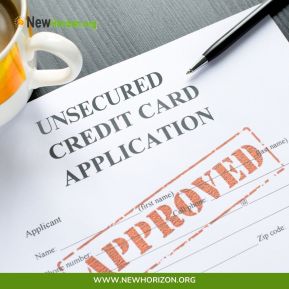
Once you’ve shown consistent responsible use with a secured card, you’re ready to move up to an unsecured credit card.
- Why This Step Matters: Getting approved for an unsecured card means lenders trust you a little more. Plus, unsecured cards don’t tie up your money in a deposit.
- How to Choose the Right Card:
- Look for unsecured cards designed specifically for people with bad credit.
- Use pre-qualification tools to avoid hard inquiries if you’re unsure about approval.
- Pay attention to fees and interest rates. Choose a card with the lowest fees you can find.
- How to Use It Effectively:
- Continue spending only on small, manageable purchases.
- Pay off the balance on time and in full every month.
- Keep your utilization low to show lenders you’re managing credit well.
Step 3: Use Both Cards to Your Advantage
 If you now have both a secured card and an unsecured card, you’re in a great position.
- Why Keep Both Cards Open?
- Having multiple accounts helps your credit score by improving your credit mix and increasing your available credit.
- Keeping accounts open for a long time boosts your credit history length, which is a key part of your score.
- The Strategy:
- Use your secured card sparingly—maybe once or twice a month for small purchases.
- Use your unsecured card for slightly larger expenses but still keep your utilization under 30%.
- Pay off both cards on time and in full every month.
This shows lenders that you can responsibly handle multiple credit lines, which helps you move closer to better cards with higher limits and lower fees.
Step 4: Monitor Your Credit and Adjust
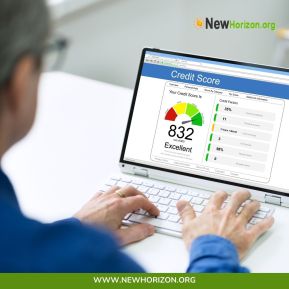 Improving your credit isn’t just about using cards—it’s about staying informed and making adjustments.
- Track Your Progress: Use free tools like Credit Karma or your credit card provider’s credit monitoring service to keep an eye on your score.
- Look for Errors: Check your credit report regularly for mistakes or inaccurate information, and dispute any errors you find.
- Gradually Increase Your Credit Limits: After 6–12 months of responsible use, consider requesting a credit limit increase on your unsecured card. This reduces your credit utilization and gives your score an extra boost.
Step 5: Graduate to Better Credit Cards
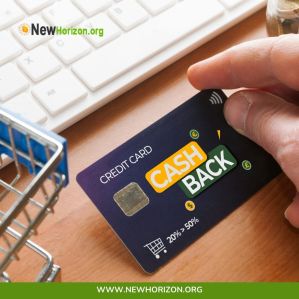 As your score improves, you’ll qualify for better credit cards with:
- Higher credit limits.
- Lower interest rates.
- Rewards programs like cashback or travel points.
Once you graduate to these better cards, you can consider closing your secured card (if the issuer doesn’t automatically upgrade you) and getting your deposit back.
Pro Tip: Don’t rush the process. Building or rebuilding credit is a marathon, not a sprint. Focus on consistent, responsible use, and over time, you’ll see the progress you’re working toward.