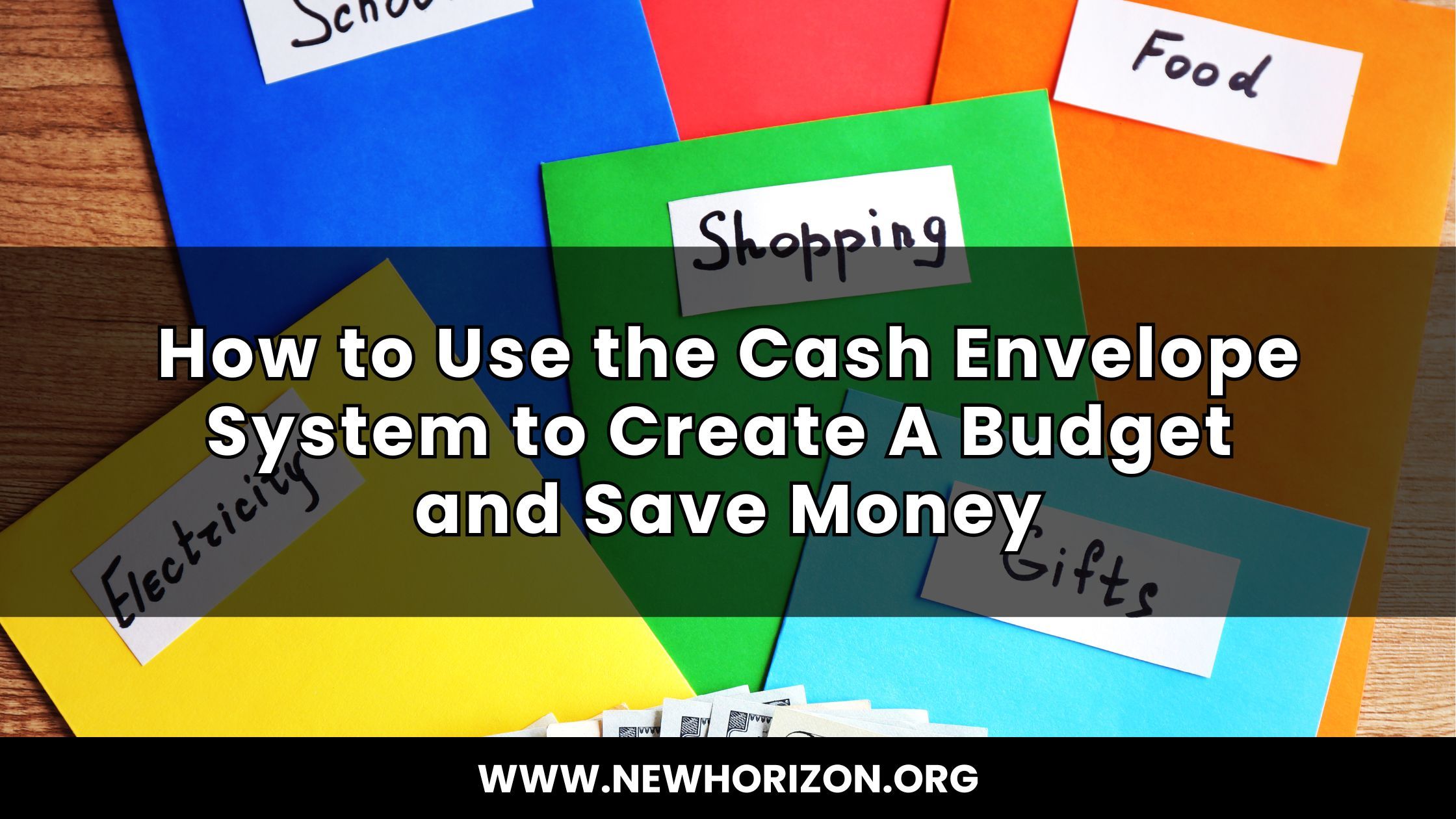
How to Use the Cash Envelope System to Create A Budget and Save Money
Making the most of your money isn’t always easy, but having a simple system to track your spending can make a big difference Budgeting is one of the most powerful tools you can use to take control of your finances, and one simple, tried-and-true method is the cash envelope system.
This method not only helps you track your spending but also makes saving money easier. In this article, we’ll explore how the cash envelope system works and why it’s a fantastic way to get a handle on your finances.
In this article, we’ll cover:
- The Origins of the Cash Envelope System
- Tools Needed for the Cash Envelope System
- How the Cash Envelope System Works
- Why the Cash Envelope System Works
- Benefits of Using a Budget Binder
- Tips for Success with the Cash Envelope System
- Frequently Asked Questions
- Debt Snowball Method
- Debt Avalanche Method
- Tips for Success with the Cash Envelope System
- Conclusion
The Origins of the Cash Envelope System
 This system has been around for decades, rooted in the age-old practice of dividing cash into different categories to control spending. Before the age of credit cards and digital banking, people relied on this tangible, straightforward method to ensure they lived within their means.
The idea is simple: set aside specific amounts of cash for various expenses, and once the money in an envelope is gone, you stop spending. This technique has seen a resurgence in popularity as people seek a more hands-on, physical approach to managing their money, away from the abstraction of digital transactions.
Tools Needed for the Cash Envelope System
To get started with the cash envelope system, you’ll need a few simple tools:
- Cash Envelopes: These are the core of the system. They can be as basic as regular paper envelopes or as specialized as reusable plastic envelopes. You can also use digital alternatives like apps, but the physical act of handling cash often makes the process more effective.

- Cash: Using cash instead of cards helps to instill a sense of spending discipline. When you see the money physically leaving your hands, you’re more likely to think twice before making a purchase.
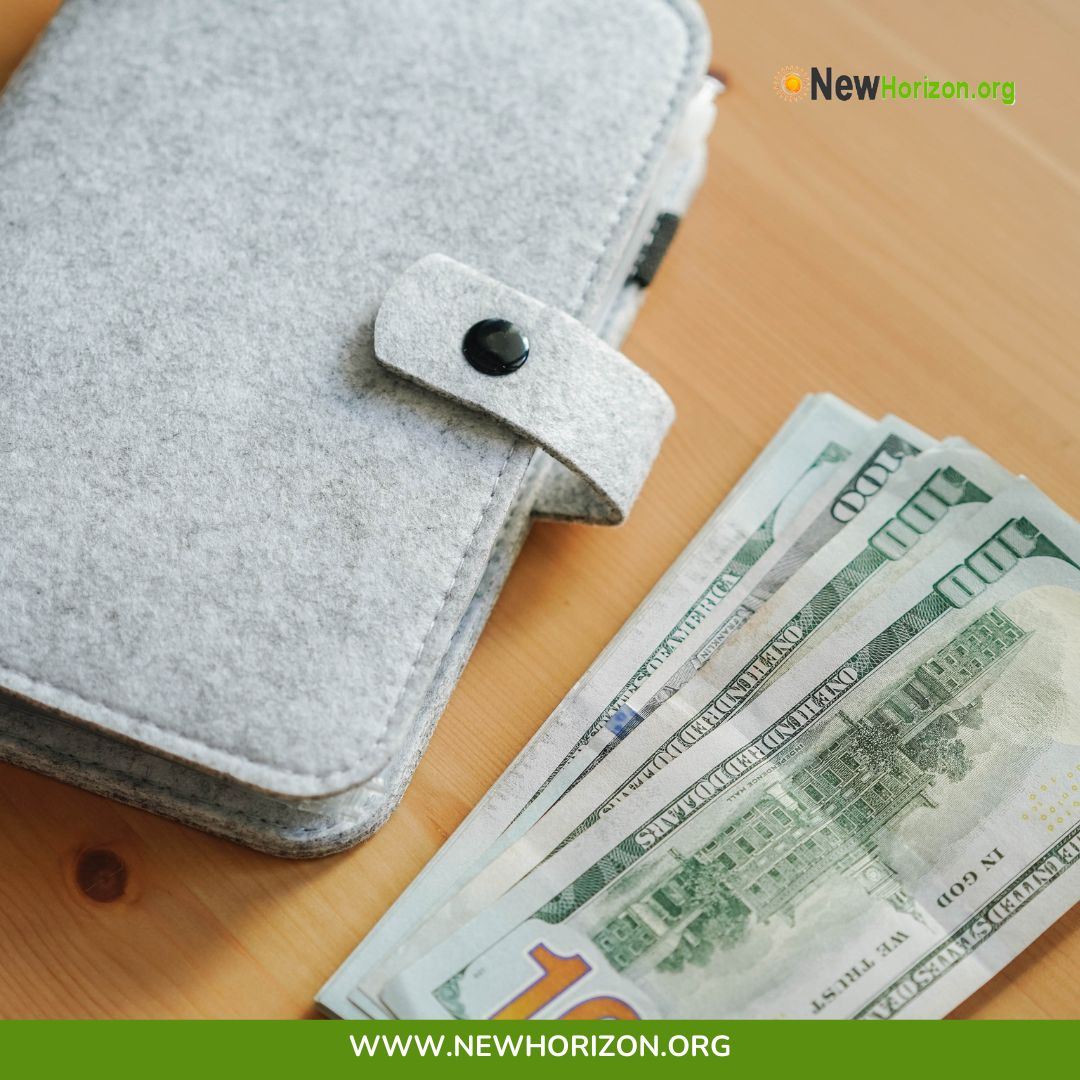
- Budget Binder: Our budget binders are the perfect way to keep your envelopes organized. With sections for each category, they make it easy to track your finances and carry your envelopes with you wherever you go.
- Tracking Sheet or Ledger: Keeping a simple sheet or ledger helps you record each expense and track how much is left in each envelope.
- Labels or Markers: Clearly label each envelope with its designated category, such as groceries, entertainment, or savings, to avoid any confusion.
How the Cash Envelope System Works
- Determine Your Budget Categories: Start by identifying the key areas where you spend money. Common categories include groceries, utilities, transportation, entertainment, and savings. Make sure each category is necessary and aligns with your financial goals.
- Allocate Funds: Decide how much money to put into each envelope. This step requires you to take a hard look at your income and prioritize your spending. For example, if you budget $400 for groceries, put that amount in the grocery envelope at the start of the month.
 Use the Envelopes: Whenever you make a purchase, use the money from the corresponding envelope. If you’re buying groceries, use cash from the grocery envelope. Once the money in an envelope is gone, you can’t spend any more in that category until the next budget cycle.
- Track and Adjust: Keep track of your spending and review your envelopes regularly. If you notice one category always runs out of cash early, consider adjusting your budget. Likewise, if there’s always leftover cash in a certain envelope, you might be able to allocate less to that category next month.
- Save the Leftovers: One of the best parts of the cash envelope system is the leftover money. If you find you have cash left in an envelope at the end of the month, you can add it to your savings, pay down debt, or reward yourself for sticking to your budget.
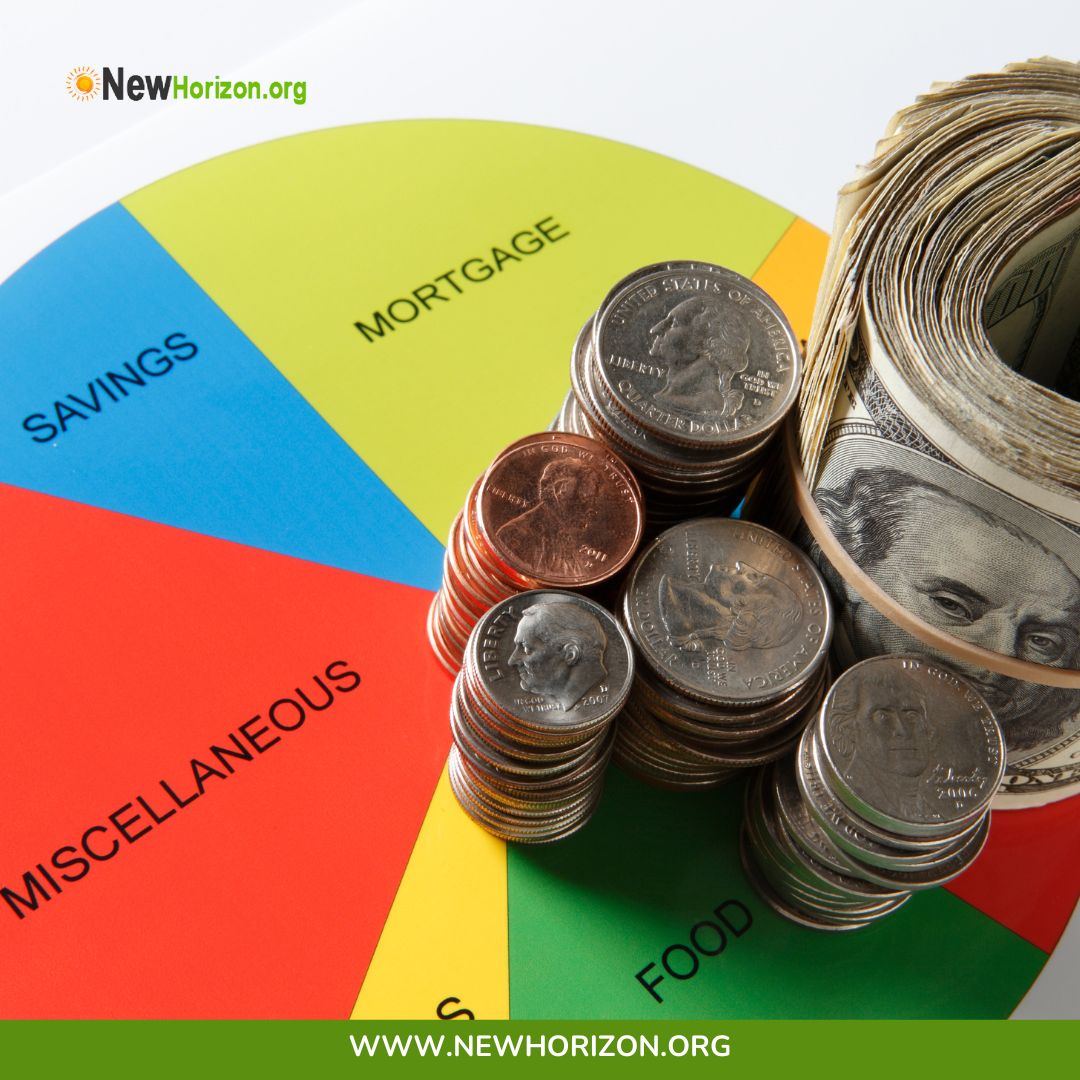 Use the Envelopes: Whenever you make a purchase, use the money from the corresponding envelope. If you’re buying groceries, use cash from the grocery envelope. Once the money in an envelope is gone, you can’t spend any more in that category until the next budget cycle.
Why the Cash Envelope System Works
- Psychological Impact: There’s something powerful about seeing and handling physical cash. It creates a tangible sense of loss when you spend money and satisfaction when you manage to save it.
- Accountability and Discipline: The cash envelope system forces you to be accountable. If there’s no more money in the entertainment envelope, you know it’s time to stop spending. This level of discipline helps prevent overspending and keeps your budget on track.
- Visual and Tangible: Unlike swiping a card or tapping your phone, using cash provides a visual and tangible way to see where your money is going. You can quickly see which categories are taking up most of your budget and where you might need to cut back.
- Simplicity: There’s no need for complex budgeting apps or spreadsheets. The cash envelope system is straightforward and easy to understand, making it accessible for everyone.
- Customization: The cash envelope system can be tailored to fit any income level and financial goal. Whether you’re saving for a vacation, paying down debt, or just trying to get by, you can adjust the categories and amounts to suit your needs.
Benefits of Using a Budget Binder
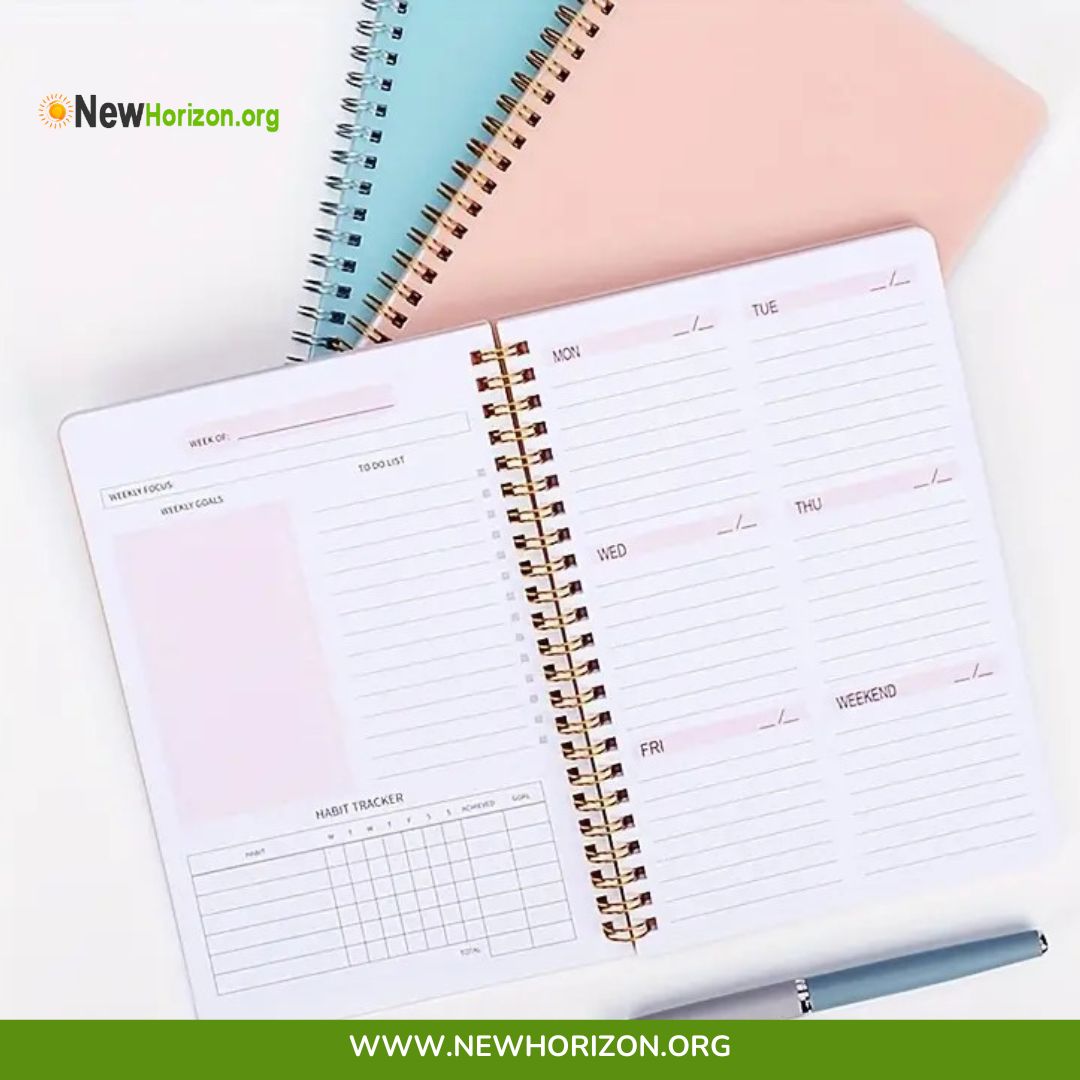 Using a budget binder takes the cash envelope system to the next level by providing organization and convenience:
- Organization: A budget binder keeps all your envelopes in one place, so you’re never scrambling to find the right one. It makes it easy to manage your money and stay on top of your budget.
- Portability: Need to take your budget with you? A budget binder is easy to carry around, whether you’re running errands or going on a trip.
- Durability: Protect your envelopes and cash from wear and tear. A sturdy binder ensures your budgeting tools last, making it a worthwhile investment.
- Professional Look: Our budget binders give your budgeting efforts a more professional appearance, making you feel more committed to sticking to your plan.
- Additional Features: With space for receipts, notes, and tracking sheets, our binders provide everything you need to manage your budget effectively.
Tips for Success with the Cash Envelope System
- Consistency is Key: Stick to your budget every month. The more consistently you use the envelopes, the more effective the system will be.
- Be Flexible: Life happens, and sometimes you’ll need to adjust your budget. Don’t be afraid to reallocate funds or change your categories as needed.
- Stay Committed: It’s tempting to dip into other envelopes when you run out of cash in one category, but resist the urge. Sticking to the system is what makes it work.
- Use the Leftover Money Wisely: Instead of spending leftover money on a splurge, consider putting it into savings or using it to pay off debt. This can help you reach your financial goals faster.
Frequently Asked Questions About the Cash Envelope System
What is the cash envelope system?
The cash envelope system is a budgeting method where you allocate specific amounts of cash into labeled envelopes for different spending categories. Once the cash in an envelope is gone, you stop spending in that category until the next budget cycle.
How do I get started with the cash envelope system?
Step 1: Determine your monthly income and expenses.
Step 2: Identify categories you tend to overspend on (e.g., groceries, dining out, entertainment).
Step 3: Set a spending limit for each category and withdraw cash for those amounts.
Step 4: Label envelopes for each category and place the cash inside.
Step 5: Spend only from the designated envelopes.
What categories should I use for my envelopes?
Common categories include:
– Groceries
– Dining Out
– Gas/Transportation
– Entertainment
– Clothing
– Miscellaneous/Personal Spending
– Savings (optional for short-term goals)
Can I use the cash envelope system if I pay some bills online?
Yes! Reserve cash envelopes for discretionary spending categories (e.g., groceries, dining out) and keep track of fixed expenses (e.g., rent, utilities) through your bank account or a budgeting app.
How does the cash envelope system help me control my spending?
Physically handling cash makes you more aware of your spending. Seeing the cash diminish in an envelope creates a natural boundary, encouraging mindfulness and helping prevent overspending.
What do I do with leftover cash at the end of the month?
You can:
– Roll it over to the next month’s budget for that category.
– Add it to your savings or debt repayment.
– Reward yourself for staying on budget.
What happens if I run out of cash in an envelope?
– Reassess your spending in that category.
– Avoid borrowing from other envelopes unless absolutely necessary.
– Consider adjusting your budget for the next cycle to better match your spending habits.
Can I use the cash envelope system with my partner or family?
Yes! To do this successfully:
– Discuss spending limits together.
– Assign each person envelopes for shared categories (e.g., groceries, gas).
– Communicate regularly to stay aligned on your budget goals.
How do I stick to the system in emergencies?
Create an emergency fund envelope or keep a buffer amount in your bank account. This prevents you from dipping into your other envelopes during unexpected situations.
Do I have to use physical envelopes?
Not necessarily. You can adapt the system digitally using budgeting apps like Goodbudget or Mvelopes, but physical cash envelopes are more effective for hands-on accountability.
How do I handle irregular income with the cash envelope system?
– Base your envelopes on your lowest expected monthly income.
– Prioritize essential categories like groceries and gas first.
– Add to discretionary categories only after covering your basic needs.
Is the cash envelope system effective for debt repayment?
Absolutely! Create a Debt Envelope and allocate extra cash toward paying off debts. You can prioritize using the debt snowball or debt avalanche method to maximize results.
Debt Snowball Method
 The Debt Snowball Method involves paying off your debts from smallest to largest balance, regardless of interest rates. Here’s how it works:
- List Your Debts: Order them from smallest balance to largest.
- Pay Minimums on All Debts: Keep up with the minimum payments for all debts to avoid penalties.
- Focus on the Smallest Debt First: Allocate any extra cash toward paying off the smallest debt.
- Roll Over Payments: Once the smallest debt is paid off, take the amount you were paying and apply it to the next smallest debt, creating a “snowball” effect.
- Repeat Until Debt-Free: Continue this process until all debts are eliminated.
Why It Maximizes Results
The snowball method builds momentum by giving you quick wins. Paying off smaller debts first provides a psychological boost, keeping you motivated to tackle larger balances. This emotional encouragement can be crucial for staying committed to your debt repayment journey.
Debt Avalanche Method
 The Debt Avalanche Method focuses on minimizing interest costs by paying off debts with the highest interest rates first. Here’s how it works:
- List Your Debts: Order them from highest to lowest interest rate.
- Pay Minimums on All Debts: Maintain minimum payments across all debts.
- Focus on the Highest Interest Debt First: Apply any extra cash toward the debt with the highest interest rate.
- Roll Over Payments: Once the highest-interest debt is paid off, apply that payment amount to the next highest-interest debt.
- Repeat Until Debt-Free: Continue this process until all debts are eliminated.
Why It Maximizes Results
The avalanche method saves you money in the long run by reducing the amount of interest you pay. Since high-interest debts accumulate interest quickly, eliminating them first minimizes the total cost of your debt.
Which Method is Better?
- Choose the Debt Snowball Method if you need motivation and small wins to stay on track.
- Choose the Debt Avalanche Method if you want to save the most money and are disciplined enough to stay motivated without early victories.
Can They Be Combined?
Yes! Some people start with the debt snowball method to gain momentum and then switch to the debt avalanche method once they’re motivated and ready to tackle high-interest debts.
 Tips for Success with the Cash Envelope System
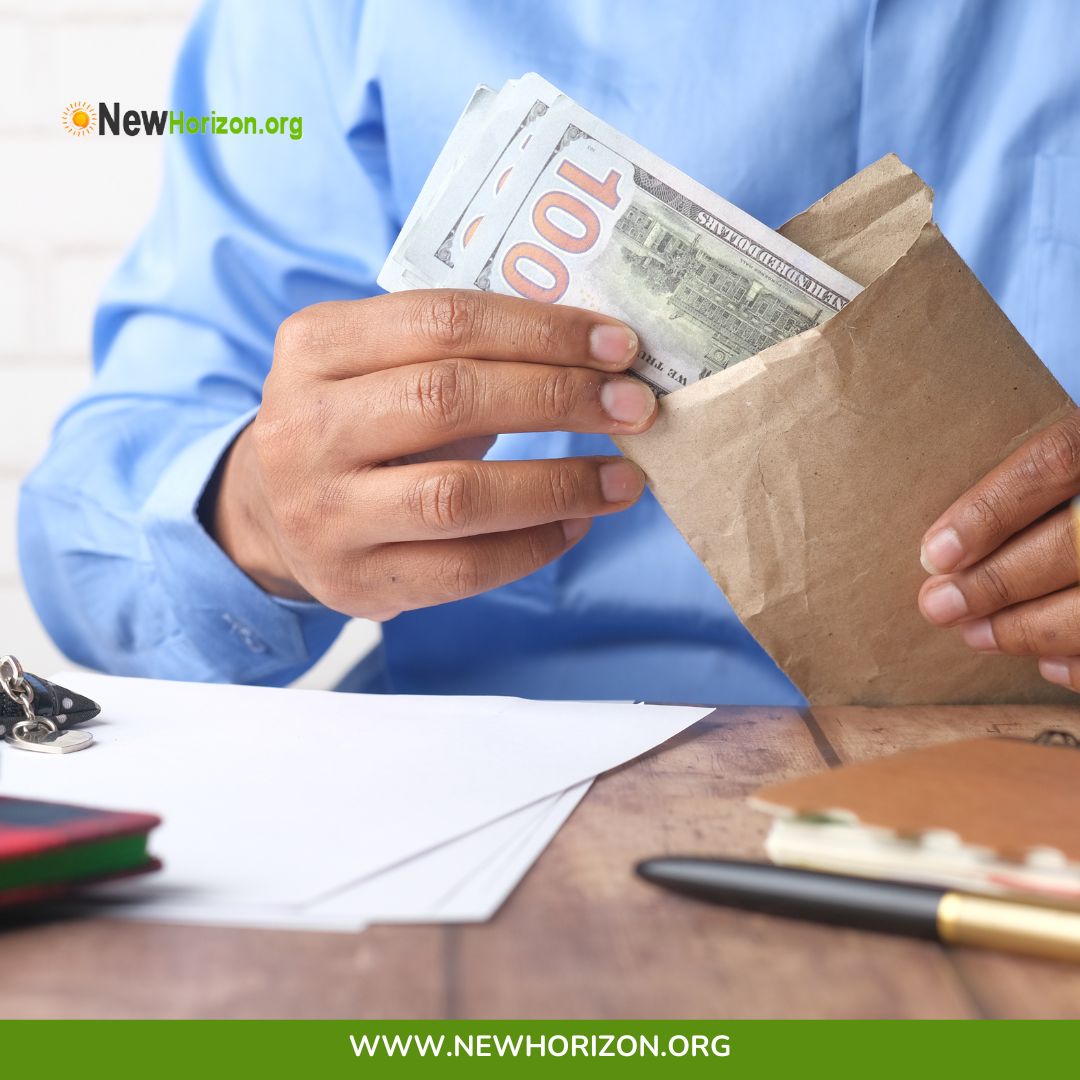 Tips for Success with the Cash Envelope System
- Start Small: Use the system for 2-3 spending categories first, then expand as you get comfortable.
- Track Your Spending: Write down what you spend from each envelope to see where your money goes.
- Review Weekly: Check your envelope balances mid-week to stay on track.
- Be Honest: Don’t cheat the system by using cards or borrowing cash outside of your budget.
- Reward Yourself: Celebrate when you meet your budgeting goals—within reason!
- Stay Flexible: Adjust your categories and amounts as life changes, but stick to the system’s rules.
Conclusion
The cash envelope system is a powerful tool for taking control of your finances, helping you to create and save money effectively. By using this system, you’ll develop better spending habits, gain more control over your finances, and see your savings grow. Ready to get started? Our budget binders are the perfect way to organize and implement your cash envelope system.