
How to deal with abusive collection agents
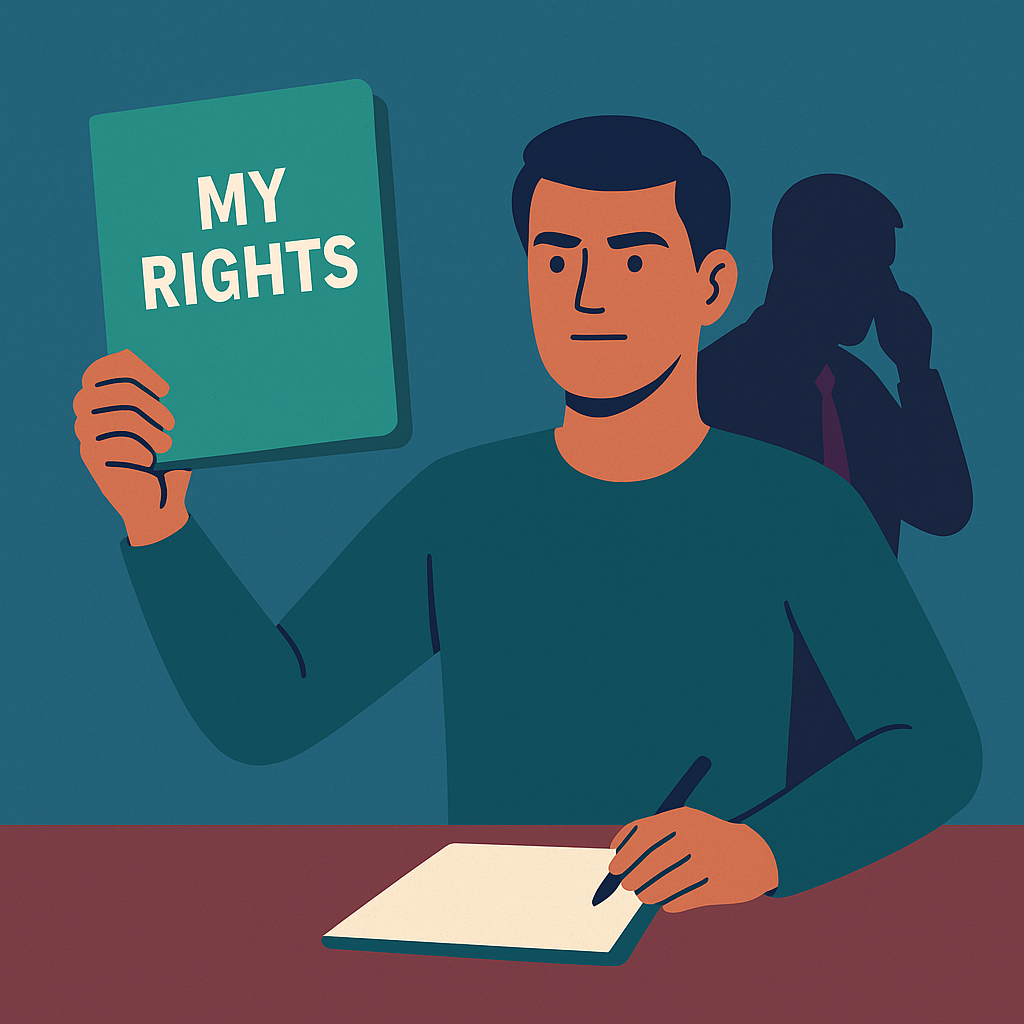
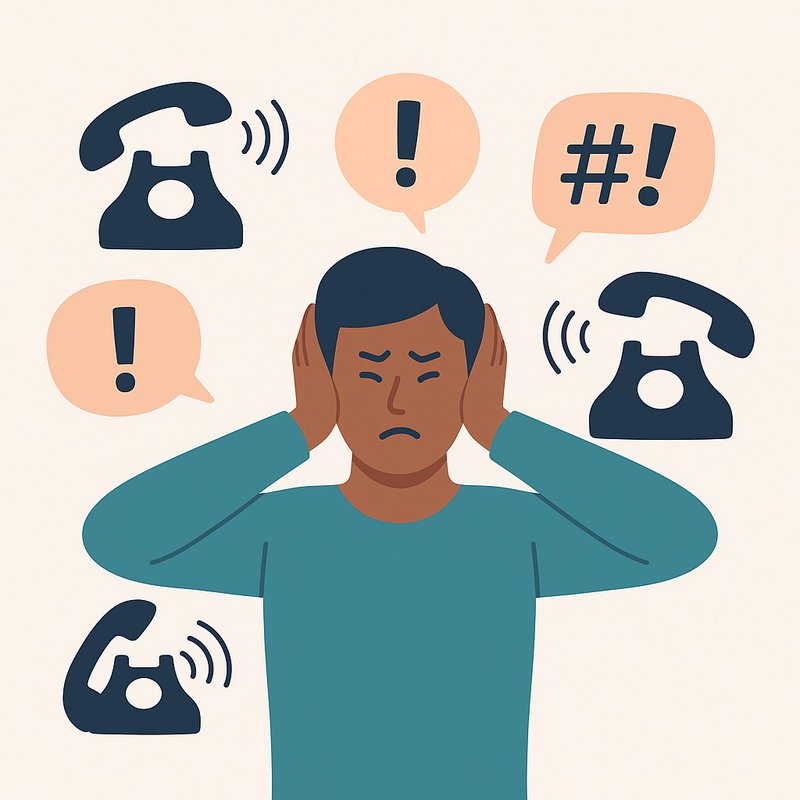
Are you feeling stressed and overwhelmed by abusive collection agents? Do the constant calls and harassment leave you frustrated and powerless? You’re not alone. Sadly, aggressive debt collectors often resort to intimidation, harassment, or even deceptive tactics when trying to collect payment on a debt.
The good news is: you don’t have to tolerate this type of treatment. You have rights under federal law, and there are effective ways to protect yourself. Whether you’re dealing with medical bills, credit card debt, or loans from an original creditor, you can take steps to stop abusive debt collection practices and regain control of your financial life.
This article will walk you through:
- Your rights as a consumer
- How to recognize when a debt collector has crossed the line
- Actions you can take to respond to harassment
- Filing complaints with the appropriate agencies
- Long-term strategies for financial freedom
By learning how to deal with abusive debt collectors, you’ll be able to handle collection calls with confidence instead of fear.
What Counts as Debt Collection Harassment?
Harassment refers to any unwanted behavior that causes alarm, distress, or fear. In debt collection, it can take many forms:
- Verbal abuse: shouting, using profanity, or belittling language
- False threats: pretending you’ll be arrested, sued immediately, or have wages garnished without proper legal process
- Invasion of privacy: contacting your family, friends, or employer about your debts
- Unreasonable frequency: calling dozens of times a day or outside legal calling hours (before 8 am or after 9 pm)
- Disclosing personal information: threatening to reveal sensitive details about your debt publicly
- Ignoring cease requests: continuing to contact you after you’ve asked for communication to stop
While persistence alone isn’t illegal, context and severity matter. A collector calling once a week may be acceptable. A collector calling ten times a day, using abusive language, and threatening lawsuits that don’t exist is harassment.
Know Your Rights Under the FDCPA
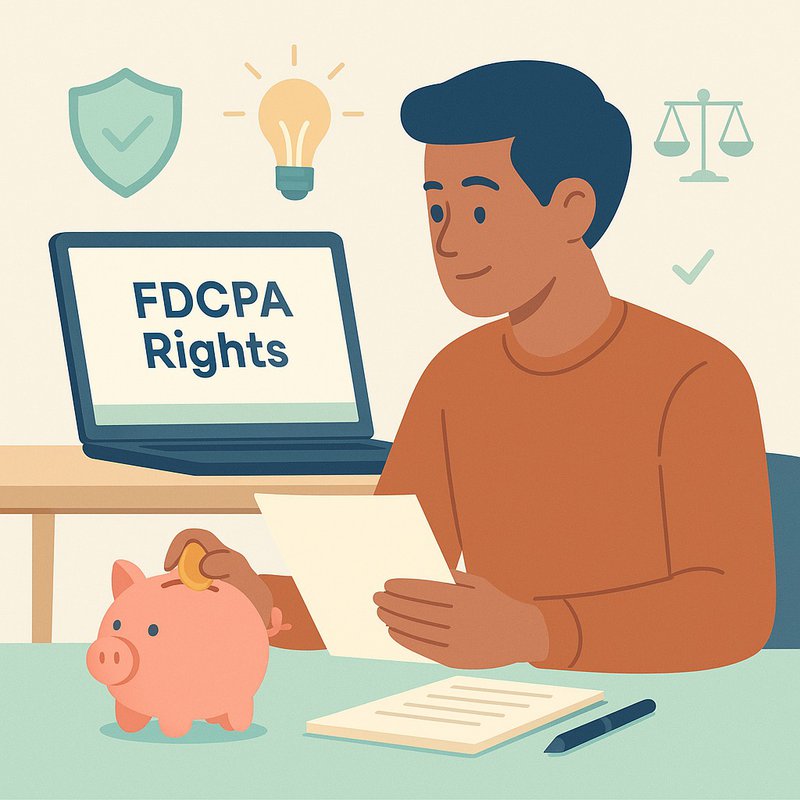 The Fair Debt Collection Practices Act (FDCPA) is a federal law that protects consumers from unfair or abusive debt collection practices. Here are your key rights:
- Limited contact hours: Collectors may only call between 8 a.m. and 9 p.m. (your local time).
- Cease contact: If you request in writing that a collector stop contacting you, they must honor it (with few exceptions, such as notifying you of a lawsuit).
- Validation of debt: You can request written proof that the debt is valid and belongs to you. This is especially important when you suspect false debts or mistaken identity.
- No threats of arrest: Collectors cannot claim you’ll be arrested or jailed for unpaid consumer debts.
- Privacy protection: They cannot discuss your debt with anyone except you, your spouse, or your attorney.
- Right to sue: You may file a lawsuit against abusive debt collectors for damages.
Tip: Always keep written records of correspondence. Written documentation is your strongest defense against abusive debt collection practices.
Practical Strategies for Handling Abusive Collectors
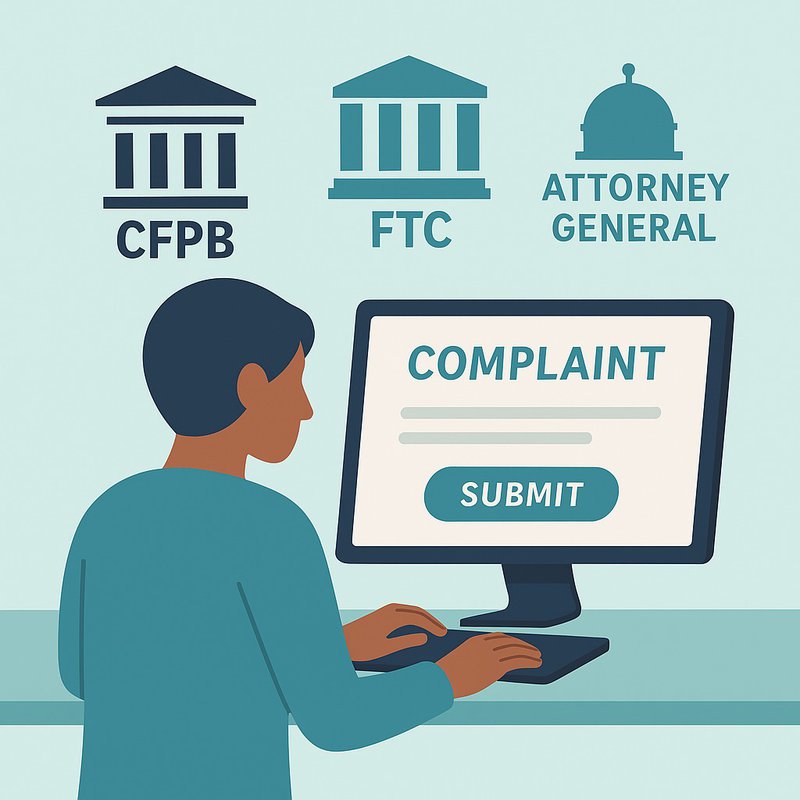
When dealing with aggressive debt collectors, it’s important to stay calm, set boundaries, and document everything. Here are effective strategies:
1. Communicate Boundaries
Firmly tell the collector how you wish to be contacted. If you prefer mail over phone calls, say so. Document your request.
2. Request Written Communication
Ask the collector to put everything in writing. This protects you from “he said, she said” disputes and helps you track any violations.
3. Keep Records
Maintain a call log with dates, times, the collector’s name, and notes on what was said. Save voicemails, emails, and letters. These can be crucial if you file a complaint or lawsuit.
4. Don’t Engage in Arguments
Collectors may push your emotional buttons. Stay polite, firm, and brief. Don’t admit liability or make promises you can’t keep.
5. Consult a Lawyer
If the harassment escalates, an attorney who specializes in consumer rights can help you explore legal remedies, including lawsuits against abusive collectors.
When Harassment Becomes Severe
Some situations go beyond annoying calls and cross into dangerous territory. For example:
- A collector threatens physical harm
- You receive constant calls at work despite asking them to stop
- They threaten to garnish wages or sue you immediately without legal backing
In such cases, you may need to:
- Contact law enforcement if you feel unsafe
- Seek legal representation immediately
- File complaints with government agencies
Filing a Complaint With Government Agencies
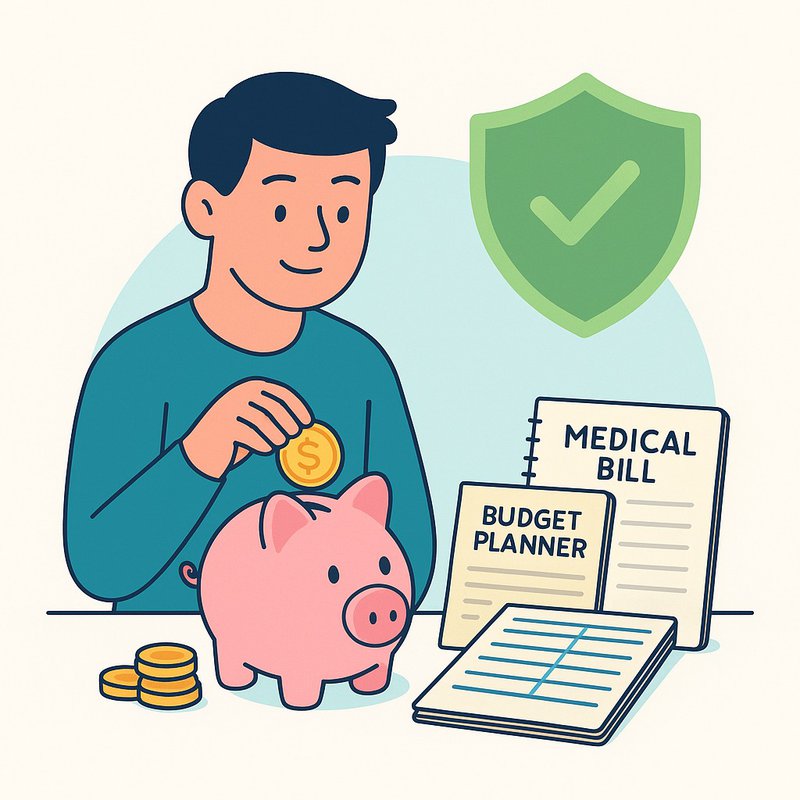
Holding abusive debt collectors accountable helps protect not only yourself but also other consumers. You can file complaints with:
- Consumer Financial Protection Bureau (CFPB)
- Handles complaints against debt collectors nationwide.
- File online with documentation of harassment.
- Federal Trade Commission (FTC)
- Investigates unfair or deceptive practices.
- While they don’t resolve individual cases, your complaint helps build enforcement actions.
- State Attorney General’s Office
- Many states have their own consumer protection laws. Your AG may pursue action against abusive collectors.
- Better Business Bureau (BBB)
- Not a government agency, but filing here can apply public pressure.
When filing a complaint, always:
- Include names, dates, and details of harassment
- Attach call logs, letters, and voicemail recordings
- Keep a copy for your records
Remember: Agencies process thousands of complaints. Be patient but persistent in following up.
Protecting Yourself Financially
While handling harassment is crucial, long-term protection comes from addressing the underlying debt. Many people fall behind due to unexpected circumstances—job loss, medical bills, or family emergencies. That doesn’t mean you deserve abuse.
Here are steps to protect yourself:
- Create a budget: Track income and expenses to prioritize debt repayment.
- Contact the original creditor: Sometimes they’ll work with you directly instead of using third-party collectors.
- Explore debt management plans: Nonprofit credit counseling agencies can negotiate lower interest rates or structured repayment.
- Know when to dispute: If you believe the debt is inaccurate or too old to collect, dispute it in writing.
Consider bankruptcy or legal help: In extreme cases, bankruptcy may stop collection efforts, though it comes with serious consequences.
 When a Lawsuit Is Threatened
 When a Lawsuit Is Threatened
Abusive collectors sometimes bluff about lawsuits. However, if you receive official court papers, don’t ignore them. You must respond within the deadline to avoid default judgments.
If you’re unsure:
- Verify court documents through your local court clerk.
- Seek legal aid—many states have nonprofit legal services for low-income consumers.
Tips for Dealing With Abusive Debt Collectors
Beyond the basics of asserting your rights and keeping good records, here are more ways to protect yourself and reduce the stress of dealing with collection harassment:
1. Ask for Debt Verification Promptly
Under the FDCPA, you have the right to request written verification of a debt within 30 days of first
being contacted. This letter should include details such as the original creditor, the amount owed, and proof that the collector is authorized to collect it. If the collector cannot provide this, they must stop pursuing the debt. This is especially important when you suspect the debt may be false, inflated, or past the statute of limitations.
2. Don’t Share Personal Banking Information
Aggressive collectors may try to get your debit card or bank account number over the phone. Never provide this information until you’ve confirmed the debt is legitimate and you’ve worked out a written agreement. Otherwise, you risk unauthorized withdrawals.
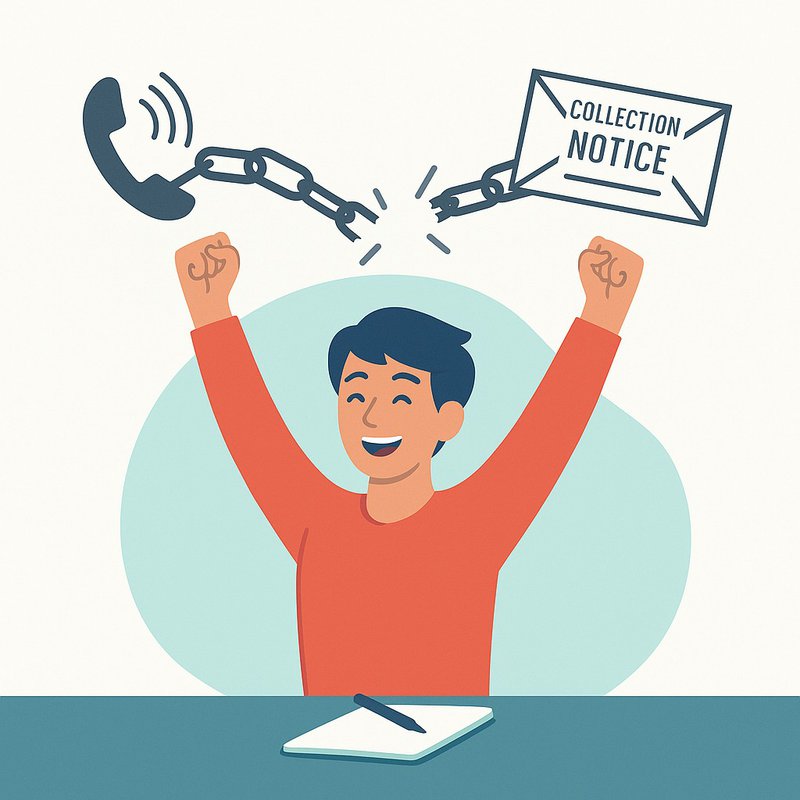
3. Watch Out for Medical Bills and Surprise Debts
Medical bills are one of the leading causes of debt collection. Always check that insurance payments have been properly applied, and dispute errors in writing. Some medical debts are negotiated down significantly once you deal with the original provider instead of third-party collectors.
4. Consider a Cease and Desist Letter
If the harassment feels overwhelming, you can send a cease and desist letter requesting that the collector stop contacting you. Once they receive it, they can only contact you to confirm they won’t reach out again or to notify you of legal action (such as a lawsuit). This won’t erase the debt, but it can give you breathing room from abusive debt collection practices.
5. Monitor Your Credit Report
Abusive collectors sometimes report inaccurate information to the credit bureaus. Check your credit report regularly through AnnualCreditReport.com to ensure debts are reported correctly. If something is wrong, dispute it with the bureaus in writing. The Consumer Financial Protection Bureau (CFPB) also provides sample letters to help you word disputes effectively.
6. Stay Organized in Case of a Lawsuit
Even if you believe a lawsuit is just a scare tactic, always keep your documents organized. If you’re served with papers, you’ll be ready to present your call logs, letters, and proof of abusive behavior. Courts take documented evidence seriously, and having your paperwork in order strengthens your position.
7. Lean on Support Systems
Dealing with constant harassment can take a toll emotionally. Talk to friends, family, or a financial counselor. If stress becomes overwhelming, consider speaking with a therapist. Protecting your mental health is just as important as resolving the debt itself.
Taking Back Your Power
Dealing with abusive debt collectors can be exhausting, but remember: you have rights, and you have options. The key is knowledge plus action:
- Learn your rights under the FDCPA
- Document harassment and file complaints
- Stay calm, assertive, and consistent in your communication
- Take steps to manage your debt so you’re less vulnerable to abuse
Final Thoughts
There comes a time in everyone’s life when they may fall behind financially. That doesn’t give anyone the right to harass or intimidate you. By learning how to deal with abusive debt collectors, you can protect your peace of mind and focus on getting back on track.
If you’re also interested in improving your long-term credit health, consider taking a DIY credit repair course. By learning how to challenge inaccuracies, manage your accounts wisely, and build credit responsibly, you’ll gain the confidence to face collectors head-on—and eventually leave them behind for good.
Financial freedom isn’t just about paying off debt. It’s about knowing your worth, standing up for your rights, and creating a future where abusive debt collection practices no longer have power over you.