
Bad Credit Unsecured Credit Card: How to Rebuild and Strengthen Your Credit Without a Deposit
Why Unsecured Credit Cards Matter
An unsecured credit card lets you borrow without putting down an upfront deposit. The lender extends

credit based on your credit history, income, and payment behavior. For anyone with limited savings or damaged credit, that lack of deposit makes these cards a lifeline for rebuilding financial trust.
But not all unsecured cards are created equal.
There’s a sharp line between unsecured credit cards for good credit and those for bad credit:
Unsecured cards for good credit offer low interest, high limits, and rewards programs. These cards assume a proven payment history and long credit history in good standing.
Unsecured cards for bad credit are rehabilitation tools. They carry smaller limits, higher rates, and tighter rules, but they help repair poor credit through consistent monthly payments reported to the three major credit bureaus.
If you’re trying to regain trust after missed payments or financial hardship, a bad credit unsecured credit card can serve as the first solid step forward. Used wisely, it rebuilds credibility and restores opportunities that bad credit once closed off.
Understanding Credit Scores and Reports
Your credit score is a number that tells lenders how risky it is to lend to you. It’s built from your credit report, a record that lists loans, balances, and your full payment history.
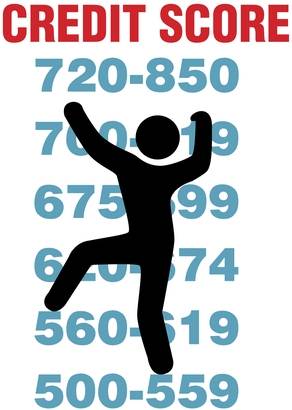
The FICO model—used by most credit card companies—scores you from 300 to 850:
| Score Range | Category | Meaning |
|---|---|---|
| 300–579 | Poor | High risk; serious delinquencies likely. |
| 580–669 | Fair | Some issues; rebuilding phase. |
| 670–739 | Good | Reliable, average borrower. |
| 740–799 | Very Good | Consistently low risk. |
| 800–850 | Excellent | Top-tier credit management. |
If your score sits below 670, you’re often considered a bad credit applicant. But credit scoring is dynamic—it rewards consistent improvement.
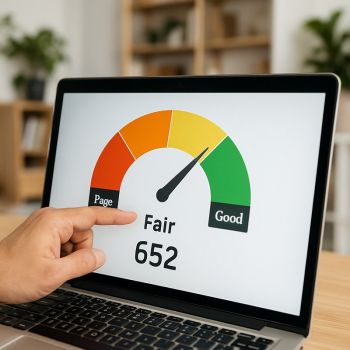
Each score factor plays a role:
- Payment history (35%) – Pay on time, every time. Even one late payment can drag your score down for years.
- Credit utilization (30%) – Keep credit card balances under 30% of available credit. High utilization suggests dependency.
- Length of credit history (15%) – The longer your accounts stay open, the better. Closing old cards shortens this.
- New credit (10%) – Every application triggers a hard inquiry, which temporarily lowers your score.
- Credit mix (10%) – A blend of revolving (credit cards) and installment loans adds stability.
The three major credit bureaus—Experian, Equifax, and TransUnion—collect this information from your lenders. Each bureau may report slightly differently, which is why checking all three reports matters.
Let’s say you had a low credit score of 580 after missing several payments. Within six months of making on-time payments and keeping balances low, your score could rise 30–60 points. Within a year, you could reach the mid-600s—enough to qualify for better unsecured cards with higher limits and lower fees.
A bad credit score doesn’t label you forever; it simply reflects past behavior that you can change starting today.
What Makes an Unsecured Credit Card Different
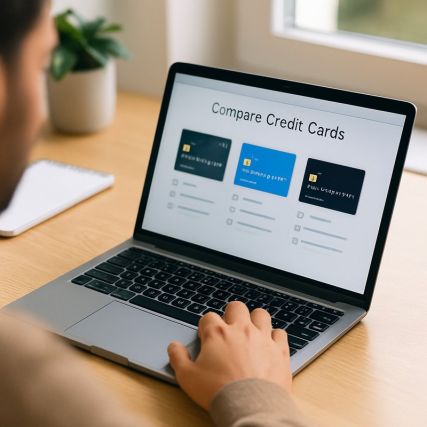
Unlike secured cards, an unsecured credit card doesn’t require a cash deposit. It relies entirely on trust and your creditworthiness.
Here’s how the approval process works:
- Prequalification: A soft inquiry checks eligibility without harming your score.
- Application: A hard inquiry confirms your data; it may temporarily trim your credit score by a few points.
- Decision: Issuers review your credit report, income, and payment reliability to set your limit and interest rate.
To manage their risk, lenders often begin with smaller lines—sometimes just $300—and charge higher interest. Yet, these cards report every monthly payment to the major credit bureaus, allowing you to rebuild through routine use.
Unsecured cards for poor credit are a training ground for good habits: spending carefully, making consistent payments, and keeping balances light. The better your performance, the faster your limits and options grow.
Who Should Consider an Unsecured Credit Card for Bad Credit
Unsecured cards for bad credit are ideal if you:
- Have a low credit score but a steady income.
- Want to rebuild after a rough financial patch or bankruptcy.
- Once had good credit but fell behind due to life events.

- Don’t have savings for a secured card deposit.

However, they require commitment. Missing even one monthly payment can undo months of progress. If your finances are unpredictable, start small or with a secured card first.
Think of the unsecured card as your re-entry pass into the credit world. It’s not just about spending—it’s about showing lenders that you can manage responsibility again.
Key Features Shared by the Best Unsecured Credit Cards
When researching the best unsecured credit cards for bad credit, look for these shared traits:
- Reports to all three major credit bureaus. Without this, your progress won’t appear on your credit report.
- No upfront deposit. Access without cash security makes it truly “unsecured.”
- Transparent fees. No hidden monthly or activation charges.
- Credit-limit growth potential. Many cards reevaluate limits after 6–12 months of consistent payments.
- Educational resources. The best cards include tools to view your credit score, payment history, and debt-to-limit ratio.
- Soft-inquiry prequalification. Helps you test approval odds safely.
- Reasonable penalties. Grace periods and fair late-fee policies can protect you from small mistakes.
- Account alerts. Email or text reminders to make on-time monthly payments.
These properties separate rebuilding tools from predatory cards that trap consumers in cycles of debt.
How to Use an Unsecured Card to Rebuild Credit

Here’s how to turn an unsecured card into a credit-repair engine:
1. Keep your utilization low.
If your limit is $500, try not to carry more than $150. Lenders reward restraint. For example, someone who uses 15% of their limit and pays in full each month often sees faster score improvement than someone who constantly hovers near 80%.
2. Pay before the due date.
Set reminders a few days ahead. Paying early keeps your payment history spotless and reduces reported balances before statements close.
3. Pay in full whenever possible.
Interest rates on bad credit unsecured credit cards can exceed 25%. Paying in full avoids high charges and shows strong financial control.
4. Check your statements.
Look for errors, duplicate transactions, or fraud. Inaccurate credit card balances can harm your utilization ratio.
5. Build longevity.
The longer the account stays open in good standing, the more it helps your credit history. Avoid canceling too soon, even if you graduate to better cards later.
6. Add variety over time.
After six months of success, consider a small personal loan or retailer account. A diversified credit mix improves your profile and demonstrates maturity.
7. Monitor your progress monthly.
Watch your score climb through updates from all major credit bureaus. Each 20-point improvement signals measurable recovery.
Using your card like a budgeting tool—not a lifeline—turns it into a ladder out of poor credit.

How to Qualify for an Unsecured Credit Card with Bad Credit
Preparation can dramatically improve your approval odds:
- Review your credit report for outdated collections or errors. Correcting one false delinquency can lift your score instantly.
- Lower existing credit card balances before applying; lower utilization shows discipline.
- Pay off small debts like store cards first—lenders notice progress.
- Apply with flexible credit card issuers that cater to subprime borrowers.
- Use prequalification tools with soft inquiries to gauge approval safely.
- Limit hard inquiries to one or two within six months.
- Prove stable income. Lenders want confidence that monthly payments will be on time.
Remember, approval is just the start—the true win comes from maintaining good standing once you have the card.
Common Mistakes That Can Set You Back
- Maxing out your card. High balances hurt utilization and increase stress.
- Paying late. Even one missed due date can knock 60–100 points off your credit score.
- Ignoring statements. Fees or interest hikes often go unnoticed.
- Applying for too many instant-approval cards. Each hard inquiry signals higher risk.
- Closing old accounts prematurely. Longer credit histories earn better scores.
- Treating available credit as income. It’s a tool, not spending money.
Avoiding these traps is just as important as the positive habits you build.
Secured vs. Unsecured Cards: Which Is Better for You?
| Feature | Secured Card | Unsecured Card (Bad Credit) |
|---|---|---|
| Deposit | Yes – refundable. | No deposit required. |
| Approval | Easier for bad credit. | Moderate. |
| Credit Limit | Equals deposit. | Starts low, grows with time. |
| Interest | Lower average rates. | Higher, reflects risk. |
| Reports to Bureaus | Typically yes. | Always should. |
| Ideal User | New credit builders. | Rebuilders with income. |

If you can afford a $200–$500 deposit, a secured card provides guaranteed acceptance. But if liquidity is tight, an unsecured card offers a way forward—just expect stricter limits until your reliability is proven.
Tracking Progress and Maintaining Good Standing
Once you’re approved, the real work begins—keeping that account healthy.
- Check your credit reports quarterly. Rotate among Experian, Equifax, and TransUnion so you always have fresh data.
- Watch your credit card balance-to-limit ratio. Keep it under 30%, ideally 10%.
- Use reminders or autopay. Never risk a late payment.
- Monitor your credit utilization trend. If it starts rising, make extra payments mid-cycle.
- Re-evaluate after 12 months. If your score has improved by 100 points or more, you may qualify for higher credit limits or lower rates.
- Keep old accounts open unless fees outweigh benefits. Age strengthens your profile.
Maintaining good standing isn’t just about numbers—it’s about proving reliability month after month.

Advanced Credit Recovery Strategies
Once you’ve practiced good habits for six months or longer, start using more advanced methods:
- Distribute balances strategically. Spread small purchases across multiple cards so no single line looks maxed out.
- Use recurring payments to automate consistency. Setting one bill, like a streaming service, on autopay builds perfect payment history without effort.
- Monitor your debt-to-income ratio. Keep total debts under 35% of income to show lenders healthy management.
- Never close zero-balance cards too early. Their longevity helps your credit history age gracefully.
- Combine revolving and installment credit. Adding a car or personal loan creates a balanced credit mix.
- Track inquiries. Limit hard inquiries to a maximum of two per year during rebuilding.
- Build an emergency cushion. Having savings prevents future missed payments.
- Ask for upgrades. Many credit card companies will transition you to better cards after one year in good standing.
Graduating from subprime to standard credit isn’t about luck—it’s about showing steady, measured progress.

The Long-Term Payoff of Responsible Credit Use
The greatest benefit of repairing your credit isn’t just higher limits—it’s freedom.
Once your credit report shows a consistent pattern of on-time monthly payments, you’ll notice doors opening:
- Lower interest on auto or home loans.
- Better insurance rates.
- Higher approval odds for rentals or small-business financing.
Lenders rely on trust, and your renewed credit history becomes proof of responsibility. Many borrowers who started with bad credit unsecured credit cards eventually qualify for rewards programs, travel cards, and premium accounts.
The key is longevity. Each year of disciplined management compounds your results. You’ll go from rebuilding to thriving, turning what once felt like a setback into one of your strongest financial assets.

How Lenders View Risk: What Happens Behind the Scenes
When you apply for a bad credit unsecured credit card, it’s easy to think approval depends solely on your credit score. In reality, credit card issuers use layered systems that assess dozens of risk indicators. Understanding how they interpret your profile helps you make smarter moves that build confidence with lenders faster.
1. Lenders Evaluate Patterns, Not Just Numbers
While your credit report shows past actions, lenders care more about patterns. They ask, “Is this person trending up or trending down?”
Even if you have a low credit score, steady improvement—on-time monthly payments, declining credit card balances, and consistent employment—signals recovery. Issuers watch for this upward trend when deciding whether to approve an application or offer a higher credit limit later.
The key isn’t perfection; it’s direction. A 580 score that’s improving is often less risky than a 650 score that’s slipping.
2. Behavior Matters as Much as Math
Modern credit card companies go beyond simple algorithms. They look at how you manage existing accounts:
- Do you pay before the due date?
- Do you carry a balance month-to-month?
- Do you make only minimum payments or full ones?
- Are your purchases predictable or erratic?
These small behaviors form what lenders call a behavioral score, which measures your reliability beyond your credit history. Consistency—steady spending, punctual payments, and avoiding sudden financial swings—positions you as a low-risk borrower over time.
3. Stability Is a Sign of Strength
Lenders love stability because it makes repayment predictable. They quietly factor in:
- Job consistency: Frequent changes suggest financial volatility.
- Length of residence: Staying in one location for several years adds points for dependability.
- Steady income deposits: Predictable cash flow shows capacity to meet monthly payments.
You don’t need a high salary to impress a lender—you need proof that you manage what you earn responsibly. Uploading accurate income verification and maintaining a low credit card balance relative to income can help offset a bad credit score.

4. Internal Scoring Systems and Real-Time Monitoring
Most issuers maintain internal scoring models separate from public credit scores. These models analyze your:
- Payment timeliness
- Balance growth or reduction trends
- Length of customer relationship
- Response to credit-limit increases
They also monitor your account in real time. Paying early, avoiding missed cycles, and never going over the limit helps your internal score rise faster than your credit bureau score might. That’s why customers who demonstrate consistent, responsible use often receive automatic limit increases long before their public score changes significantly.
5. The Transition from Risk to Reliability
At first, a borrower with poor credit is categorized as “high-risk.” But lenders constantly re-evaluate customers based on fresh data.
Here’s how to move up the internal scale:
- Keep your balance below 30% of your available limit.
- Pay more than the minimum every month.
- Never miss or delay a monthly payment.
- Avoid short-term borrowing spikes or large cash advances.
- Maintain the same account for at least 12 months in good standing.
After roughly a year of consistent performance, many issuers reclassify you as “low-risk,” unlocking better terms and even pre-approval for the best unsecured credit cards.
The Takeaway
Knowing how lenders assess risk transforms guesswork into strategy. Your job isn’t to chase a perfect credit score overnight—it’s to demonstrate steady progress and predictability. Each responsible decision—paying on time, managing balances, keeping accounts open—teaches lenders to trust you again.
Once your record reflects reliability, that trust translates into better rates, higher credit limits, and full access to financial freedom.
Conclusion: From Repair to Renewal
A bad credit unsecured credit card is more than plastic—it’s a promise. It gives you the chance to prove reliability again without requiring a deposit.
By making timely monthly payments, keeping credit card balances low, and watching your credit report from all major credit bureaus, you’ll transform a poor credit record into one that lenders respect.
Improvement doesn’t happen overnight. But each month of progress moves you closer to freedom—better rates, higher limits, and restored confidence.
No matter where you start, financial recovery begins the same way: one responsible payment at a time.