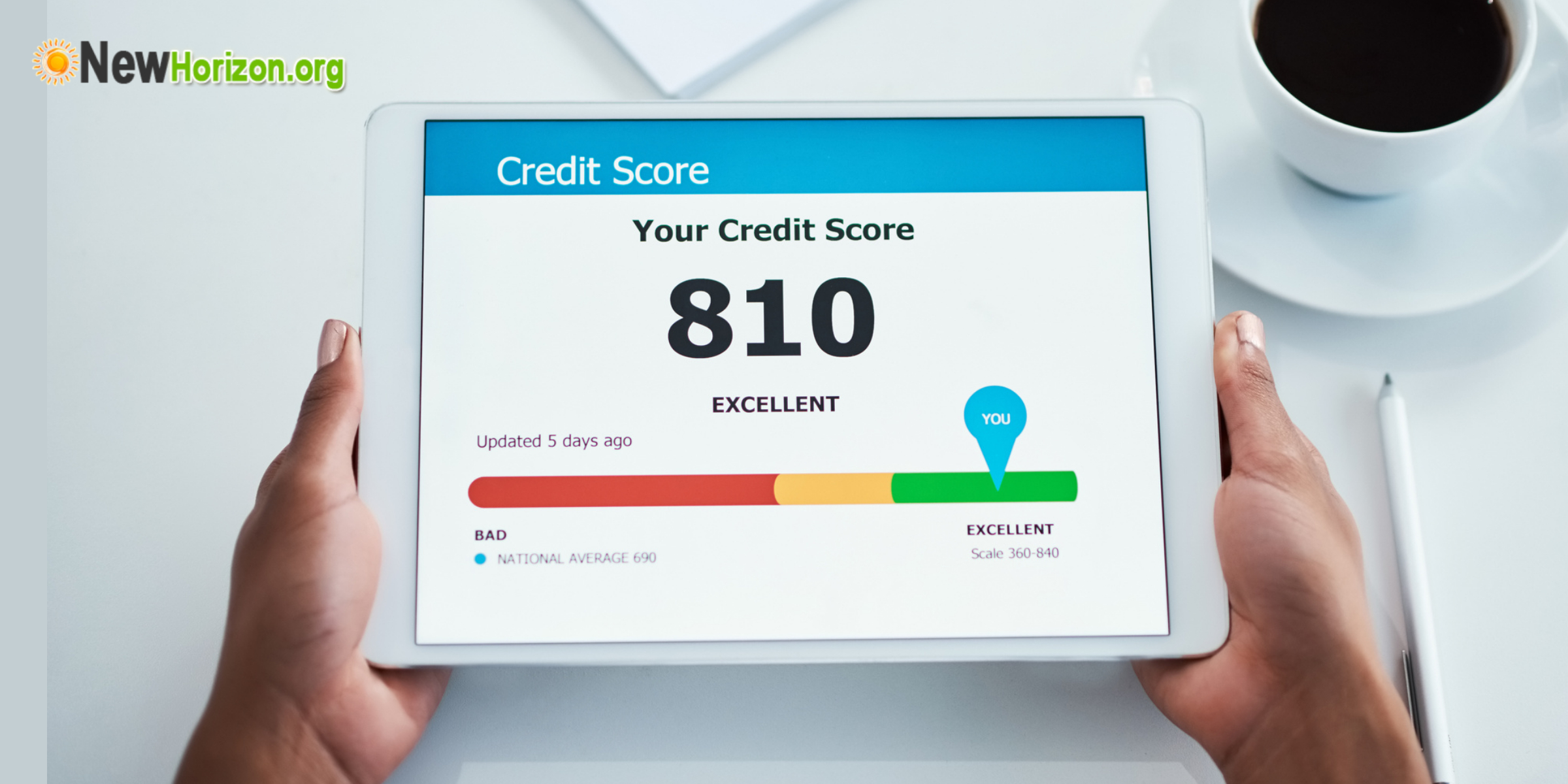

Credit Score Changes 2026 | What’s Really Happening
If you’ve been online today, you’ve probably seen the headlines — “your credit score is about to change forever,” “May 2026 credit reset,” “everything you know about credit is changing.” The internet is full of panic and clickbait right now. So let me cut through the noise with 28 years of credit industry experience and tell you what’s actually happening with credit score changes in 2026.
Here’s the short version: your credit score is not being “reset.” Nobody is wiping the slate clean. But there ARE real changes rolling out this year that could significantly affect how your credit is calculated, what shows up on your credit reports, and how lenders evaluate you. Some of these changes are genuinely good news — especially if you have bad credit, thin credit history, or medical debt dragging your scores down.
Let’s break down what’s actually changing, what’s staying the same, and what you should do about it.
New Credit Scoring Models: FICO 10 and VantageScore 4.0
 For the first time, mortgage lenders can now use newer credit scoring models — specifically FICO 10 and VantageScore 4.0. This is a bigger deal than most people realize, because these models think about credit differently than the systems lenders have relied on for years.
FICO 10 looks at your behavior over the past two years rather than just where you stand today. That’s a meaningful shift. If you’ve been chipping away at your balances and making payments on time, FICO 10 picks up on that upward trend and rewards it. But it also cuts the other way — if your financial habits have been slipping, two years of that pattern will show up too.
VantageScore 4.0 does something the old models never did: it counts rent payments, utility bills, and telecom payments toward your score. For years, someone who had never missed a rent payment in their life could still have a thin or nonexistent credit file simply because they didn’t carry a credit card or a loan. Under VantageScore 4.0, that consistent payment history finally counts for something. If that describes you, this change could either give you a score where you didn’t have one before or push the one you have meaningfully higher.
Buy Now Pay Later Is Now on Your Credit Report
This one is catching people off guard, and it’s worth paying attention to.
Buy now pay later services — Afterpay, Klarna, Zip, and others — have always operated in a kind of credit blind spot. You could split a purchase into four payments, pay every single one late, and your credit score wouldn’t budge. Same if you paid perfectly on time. The bureaus simply weren’t tracking it.

That’s over. BNPL payment history is now being reported, and what that means for you depends entirely on how you’ve been using these services.
If your BNPL payments have been on time, this is legitimately good news. For younger consumers and anyone with a thin credit file who reaches for BNPL regularly, those on-time payments can now start building actual credit history — without needing a traditional credit card to do it.
If you’ve been inconsistent or carrying overdue balances, get caught up now, before those missed payments make it onto your credit report. They were invisible before. They won’t be anymore.
Check out our complete guide to buy now pay later options for tips on using them responsibly going forward.
Medical Debt Is Fading From Credit Reports

This is the change I’m most glad to see, and if you’ve had medical debt dragging your scores down, 2026 brings some real relief.
Paid medical collections are being removed from credit reports. Medical debts under $500 are being removed entirely. And frankly, it’s long overdue. Medical debt is the single biggest reason Americans end up in collections — and it’s different from credit card debt or a car loan in one important way: most people didn’t choose it. A trip to the ER, an unexpected procedure, an insurance company that took its time paying — suddenly you have a collection on your credit report for something that had nothing to do with financial irresponsibility.
If you’ve paid off a medical collection, it should be coming off your reports. Smaller debts — the ones that often stem from billing errors or slow insurance payouts — are going away regardless of whether they’ve been paid.
One thing to watch: these removals don’t always happen automatically or accurately. Pull your credit reports and check. If you see old medical collections that should have been removed under the new rules, you have every right to dispute them. Our DIY Credit Repair course has dispute letter templates built specifically for medical collection disputes, along with step-by-step guidance on getting them off your reports.
Stronger Consumer Protections Under the Fair Credit Reporting Act
The 2026 updates to the Fair Credit Reporting Act are worth understanding because they shift some real leverage back to consumers.

Dispute timelines are getting shorter. When you flag an error on your credit report, the bureaus are now required to investigate and respond faster than before. That matters when an incorrect late payment or a debt that doesn’t belong to you is actively dragging your score down every month while you wait.
The documentation rules are also tightening up. If a creditor or collection agency can’t produce solid documentation when verifying a disputed debt, that item has to come off your report. For anyone who has tried to dispute items in the past and hit a wall, this changes the math. A properly written dispute letter that cites the right laws and demands specific verification is more effective now than it’s ever been.
Identity theft protections are getting stronger too — harder for thieves to damage your credit, and a cleaner process for victims who need to clear up fraud-related items.
If you want to put these changes to work, our DIY Credit Repair course includes 250 dispute letter templates and video walkthroughs showing exactly how to use them under the updated rules.
What’s NOT Changing
All the noise about credit score changes tends to make people feel like the rules have been rewritten from scratch. They haven’t. The habits that build strong credit are exactly what they’ve always been, and no scoring model update changes that.
Payment history is still the heaviest factor in your score — about 35% of your FICO calculation. One late payment can drop your score significantly and stay on your report for seven years. Autopay exists for a reason. Use it.
Carrying high balances relative to your credit limits still hurts you, and the 30% guideline still applies — keep your balance under 30% of your available credit, ideally under 10% if you can manage it. Older accounts still help your scores, so resist the urge to close a card just because you stopped using it. Applying for several credit products in a short window still triggers multiple hard inquiries and signals risk to lenders.
None of that changed. The models got smarter and more inclusive, but they’re still rewarding the same underlying behavior — paying your bills, managing your debt, and not overextending yourself. The advice your grandparents would have given you still applies.
What You Should Do Right Now
A few concrete things worth doing this month:

Pull your credit reports from all three bureaus at AnnualCreditReport.com. Look specifically for medical debts that should have been removed, errors you haven’t caught yet, and any accounts that don’t look familiar. The new FCRA protections make your disputes more likely to succeed, so now’s the time to go through your reports carefully.
If you use any buy now pay later services, check the status of every open balance. Anything past due needs to get current before it shows up as a negative item on your credit report. Going forward, treat BNPL the same way you’d treat a credit card payment — it’s being tracked now.
If you’re applying for a mortgage, ask your lender which scoring model they’re using. FICO 10 and VantageScore 4.0 can produce meaningfully different numbers, and knowing which one the lender will pull tells you which factors to focus on.
Look into reporting your rent and utility payments. VantageScore 4.0 considers them, and services like Experian Boost let you add those payments to your credit file. If you’ve been paying rent on time for years, those payments can finally start counting toward your score.
And if your credit report has errors — which many do, especially after major financial events — dispute them. The process works better now than it used to, particularly when you use dispute letters that cite specific laws and ask for proper verification. Our DIY Credit Repair course covers the whole process with 250 templates and step-by-step videos if you want guidance.
The Bottom Line
The credit score changes in 2026 are real, and they’re mostly good news — particularly if medical debt has been holding you back, if your credit file is thin, or if you’ve been steadily improving your financial habits and felt like your score wasn’t keeping up.
More types of responsible behavior are being counted. Medical debt is becoming less of an anchor. Consumer protections are getting teeth. And the new scoring models are sophisticated enough to recognize progress, not just a snapshot.
What hasn’t changed is the part that actually matters: pay on time, keep your balances reasonable, don’t apply for credit you don’t need, and check your reports regularly. Do that consistently, and the evolving scoring landscape works in your favor.
Frequently Asked Questions
No — and I want to be direct about this because the misinformation has been loud.  Your credit history isn’t going anywhere. Your payment records, your account history, your existing balances — all of it stays on your reports. What’s changing is that lenders are now able to use updated scoring models that calculate your score somewhat differently. That’s not a reset. It’s more like upgrading from an older calculator to a newer one. The math changes slightly; your history doesn’t.
Yes, and this is the change people seem most unprepared for. BNPL payment history is being reported to the credit bureaus. If you’ve been using Afterpay, Klarna, Zip, or similar services and making every payment on time, that’s now working in your favor. If you’ve been missing payments, those misses can show up on your credit report. Check all your open BNPL accounts and get current on anything that’s past due.
Paid medical collections are being removed. Medical debts under $500 are being removed regardless of payment status. For larger unpaid medical balances, the picture is more complicated — they may still appear on your reports depending on the circumstances. If you see medical collections that should have come off under the new rules but haven’t, you can dispute them. The bureaus don’t always clean these up automatically.
Under VantageScore 4.0, yes. Rent payments, utility payments, and telecom payments can now factor into your score with this model. The catch is that you may need to actively add them to your credit file through a service like Experian Boost — they don’t get picked up automatically for everyone. If you’ve been a reliable renter for years, it’s worth taking five minutes to set that up.
Pull your credit reports and actually read through them. Most people haven’t looked at theirs in years, and post-major-financial-event reports especially tend to have errors. With the FCRA updates now in place, disputes are more likely to result in removal — but only if you know what’s on your reports in the first place. Start there.
More than any previous update I’ve seen in my career. The removal of medical debt, the inclusion of rent and utility payments, and FICO 10’s ability to recognize an improving trend rather than just a current score — all of these help people who have been working to clean up their credit but felt like the system wasn’t giving them credit for it. If you’ve been doing the right things, 2026’s changes are more likely to reflect that than the old models were.