
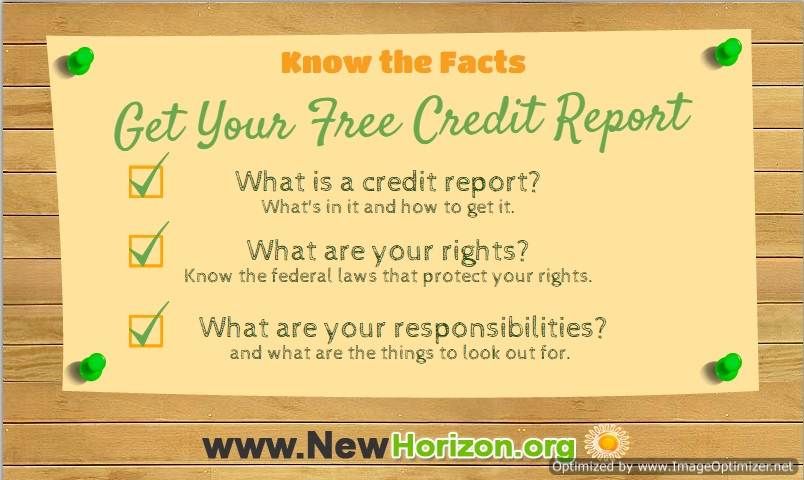
Know the Facts- Get Your Free Credit Report
Every 12 months, you acquire a free credit report. But do you pay attention to what’s in it? If not, better add checking it regularly in your new year’s resolution. As we welcome 2015, NewHorizon.Org gives you the basic facts that you acquire when you get free credit report.
Your credit file or credit history is simply your credit report. What are inside it are your accounts, inquiries, and public records. Your accounts include your credit cards, real estate loans, auto loans, and others. Whenever you apply for loan or credit, these stays in your credit report for 2 years. Meanwhile, bankruptcy, tax lien and civil judgments are the legal actions that that attribute to your public records. These are said to be updated every month.
When you get free credit report, you also get a chance to know your credit score. For young adults who are working on keeping a good financial record, the credit score is what matters most. It serves as their financial report card which consist their credit score. Credit score includes your payment history, how much you owe, how you pay debts, new credits and other factors.
Your name, address and Social Security number are the things that you need in order to get free credit report. To know more as to why is it necessary for you to check yours, read: https://newhorizon.org/credit-info/comprehensive-credit-repair-guide/
Lastly, you should know your rights, your responsibilities and things to look out for.
You should know that your rights are protected by various federal laws. The Fair Credit Reporting Act (FCRA), The Fair and Accurate Credit Transactions Act of 2003 (FACTA), The Equal Credit Opportunity Act (ECOA), The Fair Credit Billing Act (FCBA), and The Fair Debt Collection Practices Act (FDCPA). To know more about these laws, visit: http://www.teachmeaboutmoney.org/adults/more-about-credit/#5
Paying your bills on time, keeping your credit card balances low and paying off debts are your major responsibilities. While identity theft, inaccurate information and accounts or inquiries that are not yours are the things you should look out for. If you notice any suspicious data in your credit report, contact the legally responsible credit reporting company.







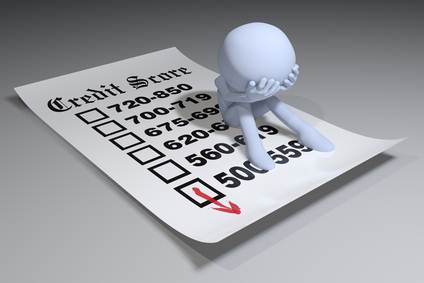

The credit history is important to a lot of people: mortgage lenders, banks, utility companies, prospective employers, and more. So it’s especially important to understand the credit report, credit score, and the companies that compile that information.