
What Are Unsecured Credit Cards No Deposit
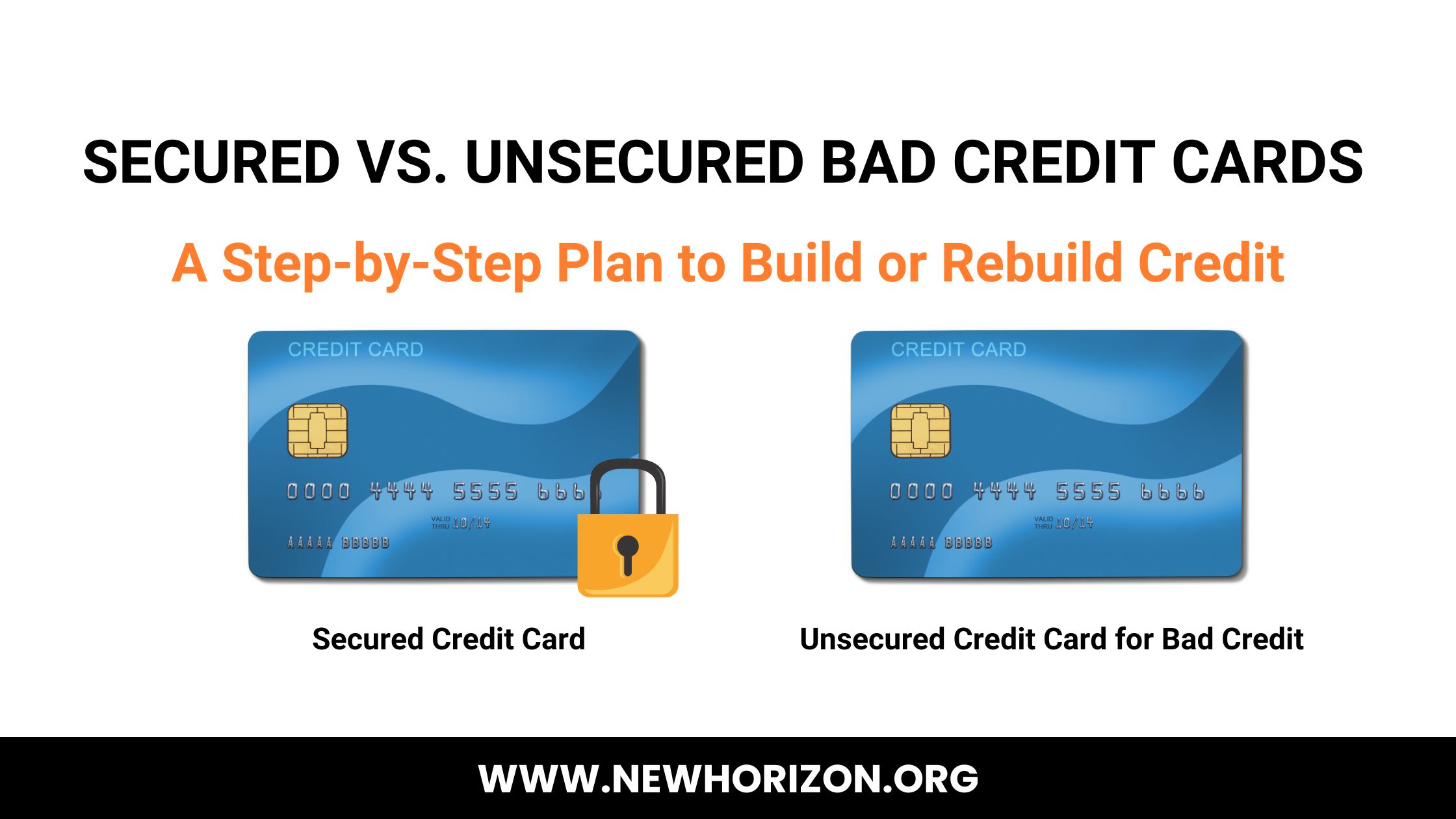
Traditional secured credit cards are used as an easy way to build or rebuild credit.  They require consumers to provide a security deposit that acts as collateral, usually equal to the approved credit limit. In contrast, unsecured credit cards no deposit, do not require any upfront funds.
Once approved, the cardholder receives a revolving credit line that can be used for purchases, payments, and ongoing transactions. Because these are unsecured cards, the lender assumes greater risk.
If you have good credit, you can expect a low-interest card with a higher credit limit than an unsecured card for people with bad credit. Sometimes you can get approved instantly online when you apply. So they are sometimes also called instant-approval credit cards.
If you have a limited credit history, or you have bad credit you may initially receive lower credit limits and sometimes higher fees , than borrowers with an established credit profile or a good credit score. Over time, responsible usage can lead to credit limit increases and eligibility for higher-tier cards.
Some issuers also promote features such as instant approval or fast decision processing. While not always guaranteed, these features appeal to applicants who want quick access to a starter card as they work to improve their credit scores.
Who Typically Uses Unsecured Credit Cards For Bad Credit?
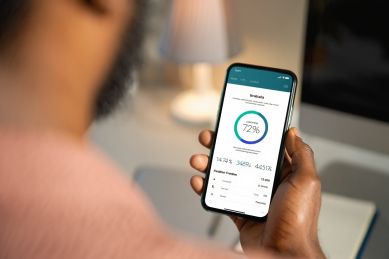 A wide range of consumers benefit from unsecured bad credit credit cards, including:
1. Individuals Rebuilding Credit
Many people turn to these cards after experiencing financial setbacks such as late payments, collections, or charge-offs. Because the goal is to demonstrate credit worthiness, these consumers use these cards as starter credit cards to show consistent payment behavior to the credit bureaus.
By maintaining low balances and making on-time payments, borrowers gradually strengthen their credit profile and move closer to achieving a good credit score.
2. Consumers with Limited Credit Histories
Some applicants have never had a credit card before, which means they lack an established borrowing record. This group often includes young adults, new graduates, or people new to the United States that haven’t had a chance to build credit in their new country. With limited credit histories, traditional credit card companies may hesitate to approve high-limit products.
For these consumers, these starter credit cards arebest credit cards for them. Giving them the opportunity to build a verifiable repayment record.
3. College Students and Young Adults
College students commonly fall into the limited-history category. Even if they have  steady income or part-time employment, they may still need a small credit line to begin forming an early track record with creditors.
Some issuers market student cards that focus on giving unsecured lines of credit to college students. Positioning them as starter credit cards designed to establish positive financial habits while minimizing risk.
4. Authorized Users Transitioning to Their Own Card
In some households, young adults or spouses may begin building credit history as an authorized user on a family member’s account. While this approach will add an aged line of credit to their credit scores, it does not always give them full control over account management.
Transitioning from authorized-user status to a personal unsecured credit card allows them to take responsibility for their own payments and begin developing established credit independently.
Why Unsecured Credit Cards No Deposit Are Important for Rebuilding Credit
When used correctly, these cards play a direct and meaningful role in improving a borrower’s credit profile. The following reasons explain why they are a great way to start building or rebuilding credit:
1. They Help Establish Positive Payment History
Payment history is one of the most influential factors affecting credit scores. 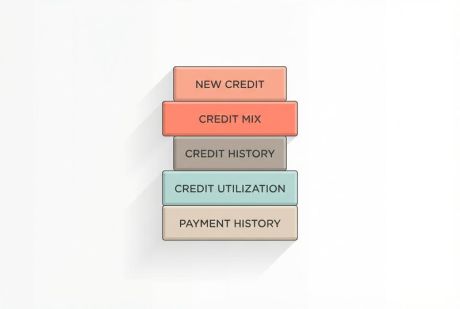 Every on-time payment reported to the credit bureaus strengthens the borrower’s profile. This consistency signals to lenders that the individual can manage obligations responsibly.
Over time, this pattern can move a borrower from poor- or fair-credit levels toward a healthier range.
2. They Support Credit Mix and Activity
Credit scoring models also evaluate account diversity and active usage. Having at least one revolving account, such as an unsecured card, helps demonstrate the ability to manage open lines of credit rather than only installment loans.
Maintaining regular, low-balance usage reinforces responsible borrowing behavior.
3. They Encourage Best Practices in Financial Management
Because credit cards no deposit often begin with lower credit limits, cardholders must practice disciplined spending habits. Following best practices such as keeping balances below 30 percent of the limit, avoiding unnecessary debt, and paying statements in full each month creates long-term financial discipline.
These patterns contribute not only to improved credit scores but also to stronger money-management confidence.
4. They Provide Access To Credit Without A Large Upfront Costs
For many people in the rebuilding phase, tying up several hundred dollars in a deposit is not practical. An unsecured product allows them to access a credit line without sacrificing savings or emergency-fund reserves.
This makes rebuilding their credit more accessible, particularly for individuals with limited resources.
The Application Process: What To Know Before You Apply
Although unsecured credit cards for bad credit offer meaningful benefits, consumers 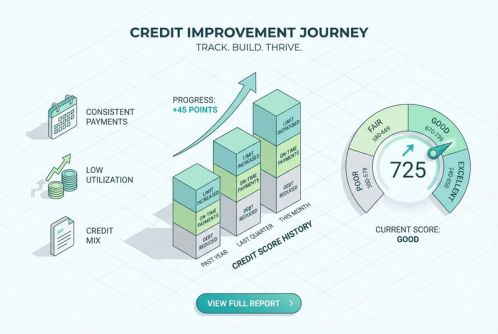 should review the cards requirements carefully before submitting an application. Not all unsecured cards are for people with bad or no credit. Some require excellent credit to get approved
- Interest Rates and Fees – Some starter cards charge higher-than-average interest rates or annual fees. Understanding pricing structures prevents unexpected costs.
- Credit Reporting Practices – It is essential to select cards that report to all three major credit bureaus, ensuring that positive behavior is fully recognized.
- Approval Standards – Even with rebuilding-focused cards, approval is not guaranteed. Applicants should assess qualification criteria realistically rather than relying solely on instant approval messaging. Do your research before applying, and make sure you have reviewed your credit reports before you apply.
- Hard Inquiry vs Soft Inquiry – Know if your chosen card does a hard pull or a soft pull. A hard pull will deduct points from your credit score, while a soft pull will not. To many hard pulls can significantly drop your credit score.
- Path to Growth – The best options include structured pathways for credit-limit increases and upgrades as stronger, established credit develops.
Choosing a card that supports long-term progress creates greater value than simply accepting the first approval offer available.
How to Use Your Unsecured Credit Cards Responsibly
Once approved, cardholders should follow disciplined financial strategies to maximize results:
- Charge only what can be paid off comfortably.
- Keep utilization low relative to the credit line.
- Pay the full balance or more than the minimum every month.
- Avoid unnecessary inquiries or multiple new accounts too quickly.
- Monitor statements and credit-report activity regularly.
Practicing these best practices allows the card to function as a strategic credit-rebuilding tool rather than a source of additional debt.
Where Your Credit Journey Goes From Here
Unsecured credit cards for bad credit are more than a stepping-stone — they are a rebuilding tool for consumers committed to improving their financial future.
With disciplined use, thoughtful spending habits, and consistent on-time payments, these cards can help transform damaged or limited histories into a foundation of trust and stability with lenders.
Over time, borrowers who remain intentional about their credit behavior will see tangible progress towards a higher credit score.