Why rebuilding credit is more about your mind than your money
When someone searching for credit cards for bad credit finally gets approved, something remarkable happens. It’s not just about the $300 credit limit or whether it’s a secured credit card versus unsecured card. It’s about what that physical card represents: a second chance, a vote of confidence, and—paradoxically—a test they’re terrified of failing again.
A $300 credit limit feels insulting at first. You remember when you had $10,000 in available credit across multiple Visa credit cards. You remember feeling like a “real” adult with financial options. Now you’re back to what feels like a starter card—something even student cash cards offer more flexibility than.
But here’s what researchers in behavioral finance have discovered: small credit limits are actually a psychological advantage when rebuilding credit.
Why Constraints Create Better Behavior
When you have a $10,000 credit limit, spending $500 feels insignificant—it’s only 5% of your available credit. Your brain doesn’t register it as a meaningful decision. But when you have a $300 limit, that same $500 purchase is impossible. Every $50 purchase becomes a 16% decision that requires thought.
This is called “choice architecture” in behavioral economics. Small limits force what psychologists call “friction”—the mental pause that happens before you act. That friction is exactly what someone with poor credit needs when rebuilding their credit history.
The psychological benefits of small limits:
Forced mindfulness: You can’t autopilot your spending when every purchase matters
Immediate feedback: You see the impact of each transaction on your available credit instantly
Lower stakes for mistakes: A maxed-out $300 card is recoverable; a maxed-out $5,000 card can spiral
Built-in guardrails: The limit itself prevents the catastrophic overspending that damaged your credit scores before
Think of it like physical therapy after an injury. You don’t start by running a marathon. You start with small, controlled movements that rebuild strength without risking re-injury. The same principle applies whether you’re using secured cards or working toward an unsecured card.
The Emotional Weight of Approval
Getting approved for credit card offers after bad credit isn’t just a financial transaction—it’s an emotional event. And understanding this emotional dimension is crucial to understanding why these card types work or fail.
The Shame-Relief Cycle
Most people with poor credit carry deep shame about their financial past. They’ve internalized messages that they’re irresponsible, failures, or “bad with money.” Every declined application reinforces this narrative. Their credit reports become a source of anxiety rather than information.
Then comes the approval—sometimes even instant approval credit cards that provide immediate validation.
That approval letter triggers a complex emotional response:
Relief: “Someone believes in me again”
Validation: “I’m not permanently broken”
Hope: “I can fix this”
Fear: “What if I mess this up too?”
This emotional cocktail is powerful—and dangerous. The relief and validation can lead to what psychologists call “licensing effect”: the tendency to indulge in a behavior after doing something positive. “I got approved, so I deserve to celebrate with a purchase.”
The Second-Chance Pressure
But there’s another emotion at play: performance anxiety. This isn’t just a credit card; it’s a test. And unlike the first time you had credit, you now know exactly how badly things can go wrong.
This creates a paradox: the card that’s supposed to help you rebuild can become a source of stress. Some people become so afraid of making a mistake that they barely use the card at all—which doesn’t help build credit history. Others overcompensate by obsessively checking their balance and credit scores, turning credit rebuilding into an anxiety spiral.
The healthy middle ground requires:
Recognizing the card as a tool, not a judgment of your worth
Using it regularly but modestly (one small recurring bill is a good idea)
Accepting that rebuilding credit takes time—typically 12-24 months of consistent monthly payments
The Self-Sabotage Pattern: Why People Max Out Small Limits
Here’s a frustrating pattern credit counselors see constantly: someone gets a $300 secured card, pays the deposit amount, does well for two months, then suddenly maxes it out and stops making monthly payments. They’ve sabotaged their own comeback, damaging their credit reports further.
Why does this happen so predictably?
The Utilization Trap
Credit utilization—the percentage of your available credit you’re using—accounts for about 30% of your credit scores. Experts recommend keeping it below 30%, ideally below 10%. But with a $300 limit, that means using less than $30-90.
The psychological problem: That feels impossible. A single dinner out can blow your utilization ratio. A tank of gas puts you at 20%. An emergency expense maxes you out instantly.
This creates what psychologists call “learned helplessness”—the belief that your actions don’t matter because the system is rigged against you. “What’s the point of trying to keep utilization low when one normal expense ruins it?”
The “Already Ruined” Effect
Once someone hits 50-60% utilization, something dangerous happens psychologically. They think: “Well, I’ve already messed up my utilization this month. Might as well use the rest.”
This is the same cognitive distortion that makes someone who breaks their diet at lunch say, “I’ll start again Monday” and binge for the rest of the week. Psychologists call it the “what-the-hell effect.”
With a small credit limit, this effect is amplified because:
You hit high utilization faster
The absolute dollar amounts feel small (“it’s only $300”)
The gap between “good” utilization and maxed out is tiny
One unexpected expense can trigger the spiral
The Emotional Spending Trigger
But there’s a deeper issue: many people developed bad credit because they used credit cards for emotional regulation. Stressed? Buy something. Sad? Retail therapy. Angry? Treat yourself.
Getting a new card after bad credit doesn’t erase those emotional patterns. In fact, the stress of rebuilding credit can trigger the exact behaviors that caused the problem in the first place.
The cycle looks like this:
Get approved for credit card offers (relief, hope)
Use card responsibly for a while (pride, control)
Experience stress or setback (trigger)
Use card for emotional comfort (temporary relief)
See high utilization/balance (shame, anxiety)
Avoid dealing with it (avoidance)
Miss monthly payments or max out (failure confirmed)
Breaking this cycle requires recognizing that credit rebuilding isn’t just about payment behavior—it’s about addressing the emotional relationship with money and credit.
Understanding Different Card Types for Bad Credit
Before diving deeper into the psychology, it’s worth understanding the landscape of credit cards for bad credit. Different card types serve different psychological needs:
Secured Cards vs. Unsecured Cards
Secured cards require a deposit amount (typically $200-$500) that becomes your credit limit. Psychologically, this deposit creates “skin in the game”—you’re risking your own money, which can motivate better behavior. The physical card arrives after you’ve already made a financial commitment.
Unsecured cards for poor credit don’t require a deposit but typically come with higher annual fees and lower limits. Psychologically, these can feel more like “real” credit cards, which can be both motivating (less stigma) and dangerous (easier to forget you’re rebuilding).
The Annual Fee Psychology
Many credit cards for bad credit charge annual fees ranging from $0 to $99. While financially these fees matter, psychologically they serve an important function: they make you think about whether you’re actually using the card effectively.
A $75 annual fee on a card you barely use becomes a painful reminder that you’re paying for the privilege of rebuilding credit. This can motivate more strategic use—or it can become another source of resentment. The key is reframing it: you’re not paying a penalty; you’re paying for a tool that’s helping improve your credit scores.
Instant Approval Credit Cards: The Double-Edged Sword
Instant approval credit cards can provide immediate emotional relief—you know right away whether you’re approved. But this speed can also be dangerous. Without time to reflect on whether you’re truly ready for credit, you might accept an offer impulsively.
A good idea: Even with instant approval, take 24 hours before activating the physical card. Use that time to set up your payment strategy and mental guardrails.
The Habit-Building Role of Small Credit Lines
Despite all these psychological pitfalls, credit cards for bad credit can be incredibly effective for rebuilding credit—if you understand their true purpose.
Credit Cards as Behavior Training Tools
Think of a small-limit credit card not as a spending tool, but as a behavior training device. Its job isn’t to give you purchasing power. Its job is to help you build three specific habits that will improve your credit history:
1. Regular, modest use
Put one small recurring bill on the card (Netflix, Spotify, a monthly subscription). This creates consistent activity without temptation and ensures positive information flows to your credit reports.
2. Immediate payoff
Pay the balance in full as soon as the charge posts—not when the bill comes. This prevents utilization from ever being an issue and builds the habit of treating credit like a debit card. Set up automatic monthly payments if possible, but pay early when you can.
3. Consistent monitoring
Check your account weekly, not obsessively. This builds awareness without anxiety. Review your credit reports quarterly (free at AnnualCreditReport.com) to track your progress in rebuilding credit.
The Psychological Power of Small Wins
Behavioral psychology research shows that small, consistent wins are more powerful for habit formation than occasional big achievements. Every month you successfully use your card and make monthly payments on time is a small win that reinforces positive behavior and gradually improves your credit scores.
This creates a positive feedback loop:
Small success → increased confidence
Increased confidence → continued good behavior
Continued good behavior → credit score improvement
Credit score improvement → validation of effort
Validation → motivation to continue
After 6-12 months of this pattern, something shifts psychologically. The card stops feeling like a test you might fail and starts feeling like a tool you know how to use. Your credit history begins to show consistent positive behavior, and your credit reports reflect your progress.
Graduating to Better Card Types
Many people with bad credit see credit limit increases or qualifying for an unsecured card as the goal. But psychologically, you’re not ready for a higher limit until you’ve consistently kept utilization below 30% on your small limit for at least six months.
Signs you’re psychologically ready for more credit:
You never think about your credit limit because you’re not approaching it
You make monthly payments automatically, without stress
You use the card for convenience, not because you need the credit
An unexpected $200 expense doesn’t make you panic about your credit card
Your credit scores have improved by at least 50-100 points
You understand your credit reports and check them regularly
If you’re still struggling with utilization, still using the card for emotional spending, or still anxious about your balance, a higher limit or unsecured card will likely lead to higher debt—not better financial health.
The Real Work of Credit Rebuilding
Here’s what most articles about credit cards for bad credit won’t tell you: the card itself doesn’t rebuild your credit. Your relationship with the card does.
You can have the perfect secured card with ideal terms, no annual fee, and instant approval, and still fail if you haven’t addressed the psychological patterns that led to poor credit in the first place.
Questions to Ask Yourself
Before you apply for credit card offers to rebuild credit, honestly answer these questions:
Do I know what led to my bad credit? (Job loss, medical debt, overspending, lack of financial literacy, emotional spending?)
Have those circumstances changed? (If you lost your job, are you employed now? If you overspent, have you created a budget?)
Do I use spending to manage emotions? (When stressed, sad, or anxious, is your first impulse to buy something?)
Can I handle the emotional weight of rebuilding? (Will checking your credit scores become an obsession? Will a setback devastate you?)
Do I have support? (Someone to talk to about money stress, a financial counselor, a budget accountability partner?)
Can I afford the deposit amount and annual fee? (For secured cards, can you spare the deposit without creating financial stress?)
Am I ready to commit to consistent monthly payments? (Even small payments require discipline and cash flow management)
If you answered “no” or “I don’t know” to several of these, getting a credit card might not be the first step. The first step might be addressing the underlying issues through financial counseling, therapy, or education.
The Timeline Reality
Rebuilding credit takes 12-24 months of consistent positive behavior. That’s not a marketing claim—it’s a psychological reality. It takes that long to:
Establish new habits
Prove to yourself you can be trusted with credit
Demonstrate to lenders you’ve changed through your credit history
See meaningful improvement in your credit scores
Build enough positive information in your credit reports to outweigh past negatives
People who fail at credit rebuilding often fail because they expect faster results. They get discouraged at month three when their credit scores have only improved 20 points. They give up at month six when they still can’t qualify for premium Visa credit cards or other card types they want.
The psychological key: Measure success by behavior, not by credit scores. Did you use your card responsibly this month? Did you make your monthly payments on time? That’s success, regardless of what your score did.
Making the Right Choice: A Good Idea or Not?
Is getting credit cards for bad credit a good idea for you? The answer depends entirely on your psychological readiness, not just your financial situation.
It’s a good idea if:
You’ve identified and addressed the root causes of your poor credit
You have stable income to support monthly payments
You’re emotionally ready to handle the stress of rebuilding
You understand that different card types serve different purposes
You’re committed to checking your credit reports regularly
You can afford any deposit amount or annual fee without hardship
You have realistic expectations about the timeline
It’s NOT a good idea if:
You’re still in financial crisis (unstable income, mounting debt)
You haven’t addressed emotional spending patterns
You’re applying just because instant approval credit cards are available
You see the card as “free money” rather than a rebuilding tool
You can’t afford the deposit amount or annual fee
You’re not ready to commit to consistent monthly payments
Remember: there’s no shame in waiting until you’re truly ready. A few more months of preparation can mean the difference between success and another setback that further damages your credit history.
Practical Strategies for Success
If you’ve determined that credit cards for bad credit are a good idea for your situation, here are psychological strategies to maximize your success:
1. Choose Your Card Type Strategically
For maximum psychological safety: Start with a secured card with a low deposit amount ($200-300). The financial commitment is manageable, and the limit is small enough to prevent major mistakes.
For motivation: If you qualify, an unsecured card can feel more validating and “normal,” but only choose this if you’re confident in your self-control.
For simplicity: Look for cards with no annual fee if possible, or the lowest fee available. One less thing to worry about psychologically.
2. Set Up Automatic Monthly Payments
Don’t rely on willpower or memory. Set up automatic payments for at least the minimum (ideally full balance) immediately after getting your physical card. This removes the psychological burden of remembering and the temptation to skip a payment.
3. Use the “One Bill” Strategy
Put exactly one small recurring bill on the card (under $50/month). Nothing else. This ensures:
Consistent activity for your credit history
Low utilization that helps your credit scores
Predictable monthly payments
No temptation to overspend
4. Create a “Credit Rebuilding” Ritual
Once a week, spend 5 minutes:
Checking your card balance
Reviewing recent transactions
Confirming your payment is scheduled
Noting your progress in a journal
This ritual builds awareness without obsession and creates positive associations with credit management.
5. Track Progress Beyond Credit Scores
Create a simple spreadsheet tracking:
Months of on-time monthly payments
Average utilization percentage
Credit score changes (check quarterly, not weekly)
Emotional state when using the card (stressed? confident? anxious?)
This broader view of progress helps you see success even when credit scores move slowly.
6. Plan for Setbacks
You will have a month where you use more than planned. You will have an emergency that tests your limits. Plan for this:
Keep a small emergency fund separate from your deposit amount
Know in advance how you’ll handle a high-utilization month (pay it down immediately, don’t spiral)
Have someone you can call when you’re tempted to make an emotional purchase
7. Celebrate Milestones
Every 3 months of successful use, do something small to celebrate (that doesn’t involve spending on credit). This reinforces the positive behavior and builds psychological momentum.
The Bigger Picture: Financial Health Beyond Credit Scores
While credit cards for bad credit are tools for rebuilding credit, they’re really about something bigger: rebuilding your financial health and your relationship with money.
Your credit scores are just numbers. Your credit reports are just documents. But your ability to:
Delay gratification
Manage emotions without spending
Make consistent monthly payments
Build positive financial habits
Trust yourself with credit
These are life skills that extend far beyond credit cards. They affect your ability to save, invest, plan for the future, and achieve financial stability.
The hidden psychology of credit cards for bad credit is ultimately about self-trust. Can you trust yourself to use credit responsibly? Can you trust yourself to make monthly payments? Can you trust yourself to not repeat past mistakes?
The physical card in your wallet is just plastic. But what it represents—your commitment to rebuilding, your willingness to try again, your belief that you can change—that’s everything.
Conclusion: The Card Is Just a Mirror
Credit cards for bad credit work when they help you build better financial habits. They fail when they become another source of shame, stress, or self-sabotage.
The small credit limit isn’t a punishment—it’s training wheels. The annual fee isn’t a penalty—it’s an investment in your financial health. The deposit amount on secured cards isn’t money lost—it’s a commitment to yourself. The approval isn’t validation of your worth—it’s an opportunity to prove something to yourself.
Whether you choose secured or unsecured cards, Visa credit cards or other card types, instant approval credit cards or traditional applications—the card type matters less than your psychological readiness.
Your credit scores are just numbers. Your credit reports are just documents. Your monthly payments are just transactions. But your relationship with money, your ability to delay gratification, your emotional regulation skills, and your self-trust—those are the real measures of financial health.
The hidden psychology of credit cards for bad credit is this: they don’t rebuild your credit. You do. The card is just the tool that makes your progress visible. Your credit history is the story you’re writing, one responsible decision at a time.
Is getting credit cards for bad credit a good idea? Only you can answer that. But if you’re psychologically ready, if you’ve addressed the root causes of your poor credit, and if you’re committed to the 12-24 month journey of rebuilding—then yes, it can be one of the most powerful tools for transforming your financial life.


 of your available credit. Your brain doesn’t register it as a meaningful decision. But when you have a $300 limit, that same $500 purchase is impossible. Every $50 purchase becomes a 16% decision that requires thought.
 transaction—it’s an emotional event. And understanding this emotional dimension is crucial to understanding why these card types work or fail.
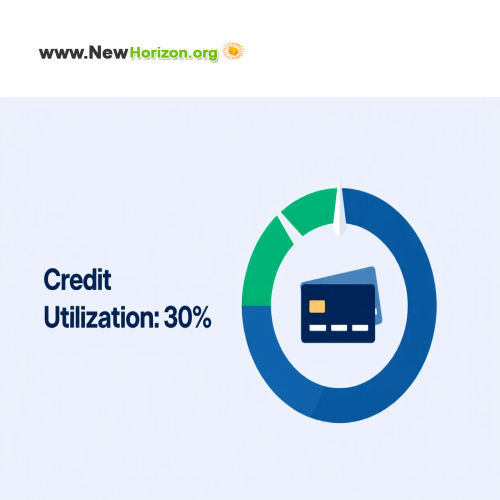 about 30% of your credit scores. Experts recommend keeping it below 30%, ideally below 10%. But with a $300 limit, that means using less than $30-90.
 reframing it: you’re not paying a penalty; you’re paying for a tool that’s helping improve your credit scores.
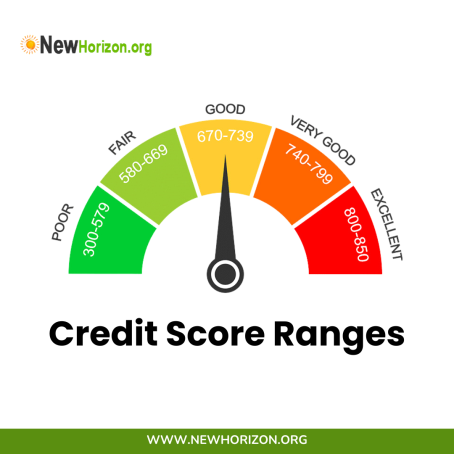 for habit formation than occasional big achievements. Every month you successfully use your card and make monthly payments on time is a small win that reinforces positive behavior and gradually improves your credit scores.
 questions:
 months of preparation can mean the difference between success and another setback that further damages your credit history.
 are just documents. But your ability to: