
How to buy a home when you have bad credit
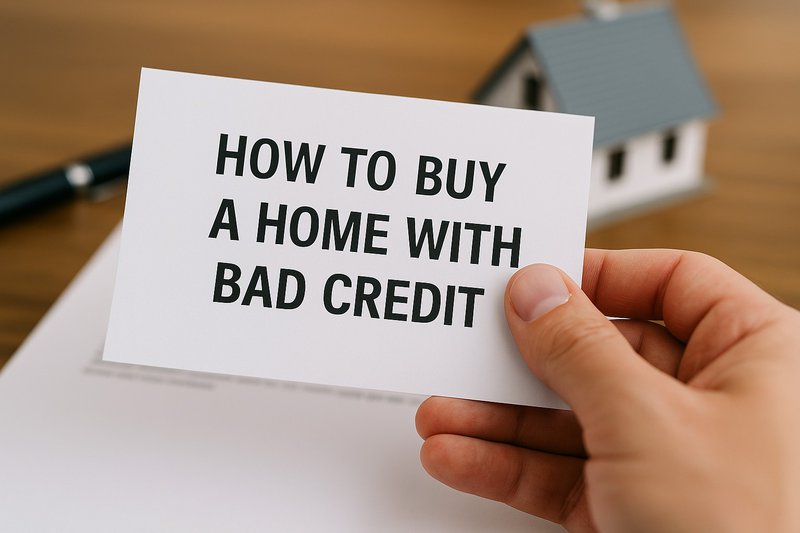
Buying a home with bad credit can feel overwhelming, but it’s not out of reach. Even if your credit score is on the low end, there are proven strategies and mortgage options available that can help you qualify for a loan, lock in better terms, and purchase your primary residence. The key is knowing how lenders think, how to prepare your finances, and how to explore alternatives when traditional financing feels limited.
Step 1: Review Your Credit Report Thoroughly
The very first step to buy a home with bad credit is reviewing your credit report. This document is a snapshot of your financial history and determines how lenders view you. Ordering a copy from Equifax, Experian, and TransUnion will give you insight into:
- Payment history – whether you’ve paid accounts on time
- Credit utilization – how much credit you’re using compared to limits
- Negative marks – such as collections, charge-offs, or bankruptcies
Look carefully for errors. If an account doesn’t belong to you or the amount past due is incorrect, dispute it right away. These mistakes can drag down your score and impact the mortgage options available to you.
Lenders will also look at whether you’re improving. Even if your score is still low, showing consistent on-time payments in recent months can help you look more responsible and less risky.
Step 2: Understand Credit Requirements and Mortgage Options
Not all loans require perfect credit. The lowest credit score requirements depend on the type of loan and the mortgage lender:
- FHA loans: Popular with first-time buyers, FHA loans allow scores as low as 580 with 3.5% down. If your score is between 500–579, you may still qualify with a 10% down payment.
- Conventional loans: Usually require at least a 620 credit score, but those with bad credit will likely face higher interest rates and PMI insurance costs.
- VA loans: For eligible veterans and active-duty military. They have no set minimum credit score, though lenders often prefer 620 or higher.
- USDA loans: For rural buyers, also flexible but come with income and property restrictions.
- Hard money loans: Short-term financing often used by investors, but rarely recommended for a primary residence due to extremely high costs.

Knowing your mortgage options upfront helps you choose the best path and prevents wasted time applying for loans you don’t qualify for.
Step 3: Work on Improving Your Score
While it’s possible to buy a home with bad credit, even a small improvement can save you thousands. For example, raising your score from 580 to 620 may mean access to better terms and lower monthly payments.
Ways to improve your score include:
- Paying every bill on time to strengthen payment history
- Reducing balances on high-interest credit cards
- Avoiding new credit inquiries until after you close
- Leaving old accounts open to maintain length of history
Some buyers hire a credit repair service, while others do it themselves. Either way, the goal is to reduce risk in the eyes of mortgage lenders.
Step 4: Save for a Larger Down Payment
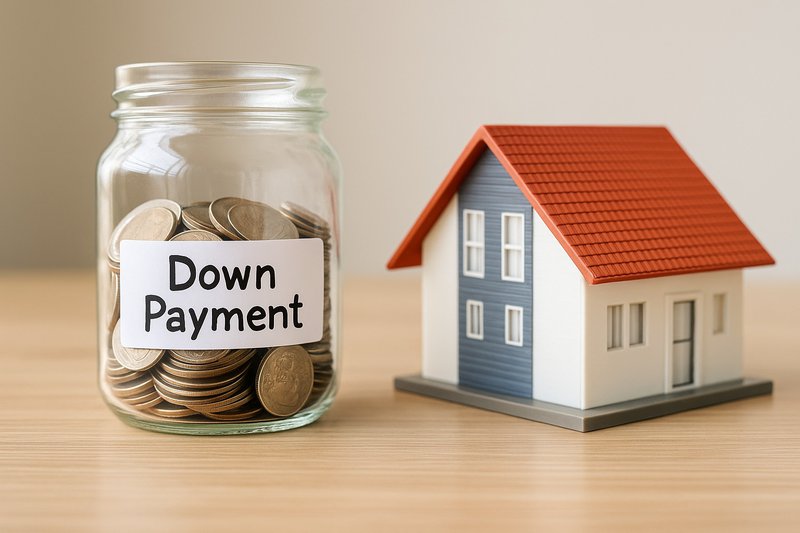
Lenders see larger down payments as a sign of commitment and reduced risk. If you want to buy a home with bad credit, this can make a huge difference.
- With FHA loans, you may qualify at 3.5% down, but if your score is very low, plan on 10% or more.
- For conventional loans, putting down 20% can help you avoid private mortgage insurance (PMI), which protects the lender but adds to your monthly payment.
- Even if you can’t reach 20%, every extra dollar you save reduces your loan balance and the long-term interest you’ll pay.
Saving for a down payment also shows financial discipline, which strengthens your case when applying for a loan amount higher than the minimum.
Step 5: Compare Mortgage Lenders Carefully
Not all mortgage lenders treat bad credit the same way. One may deny your application, while another may offer approval with slightly higher interest rates but flexible conditions. Always get at least three quotes and compare:
- Interest rates (fixed vs. adjustable)
- Closing costs and lender fees
- Length of PMI insurance requirement
- Maximum loan amount you qualify for
Some lenders specialize in borrowers with low credit, so persistence can pay off.
Step 6: Explore Alternative Strategies
If traditional financing feels out of reach, consider creative options:
- FHA loans remain the most forgiving path for low scores.
- Hard money loans might be worth considering only if you’re investing rather than buying a primary residence.
- A trusted co-signer with stronger credit could help you secure approval.Step 7: Create a Budget and Strengthen Your Finances
Finally, create a budget that proves to yourself—and to potential lenders—that you’re financially ready. List all income and expenses, cut unnecessary spending, and dedicate a portion of your paycheck to savings. Building even a modest emergency fund shows you can handle the responsibilities of homeownership.
In some cases, demonstrating strong cash reserves can offset bad credit in a lender’s eyes, opening the door to better terms even if your score is on the lower end.
Final Thoughts
Yes, you can buy a home with bad credit. It may take more preparation and patience, but many borrowers succeed by checking their credit report, improving their payment history, saving for a stronger down payment, and choosing the right mortgage options.
Whether you use FHA loans, find flexible mortgage lenders, or improve your score for conventional financing, the dream of homeownership is possible. By being proactive, you can reduce costs, avoid unnecessary PMI insurance, and ultimately qualify for a loan amount that helps you secure your primary residence.