

Unsecured Credit Cards for Bad Credit: Rebuilding After Bankruptcy
Bankruptcy feels like the end of the road. The calls stop. The bills reset. But the emotional and financial damage can linger for years. If you’ve just come through bankruptcy, you’re not alone—and you’re not without options. While it might seem like no lender would trust you again, the truth is that there are specific tools designed for recovery, including unsecured credit cards for bad credit.
This guide explains the path to rebuilding your financial life. We’ll explore how bankruptcy affects your credit, the types of bankruptcy, and the practical tools you can use to start over—especially credit cards designed to help people like you get a second chance.
Why Do People File for Bankruptcy?
 Bankruptcy is more common than most people think. It’s often the result of unexpected circumstances rather than reckless spending. Understanding the reasons can help you avoid future pitfalls and approach rebuilding with clarity.
1. Medical Debt
A major illness or injury can be financially devastating. Even with insurance, co-pays, deductibles, and out-of-network charges can pile up quickly. Many bankruptcies stem from people trying to keep up with treatment costs while juggling other monthly payments.
2. Job Loss or Reduction in Income
A sudden layoff, reduced hours, or job loss due to disability or caregiving responsibilities can upend your financial stability. Without consistent income, debt payments get missed, interest accrues, and balances spiral out of control.
3. Divorce or Separation
Legal fees, child support, alimony, and transitioning from two incomes to one can leave people with more bills than they can handle. Emotional stress often compounds financial hardship.
4. Poor Financial Planning or Overspending
While less common, some bankruptcies do stem from lifestyle inflation, high credit card usage, or lack of emergency savings. Often, these behaviors come from a desire to keep up appearances or support loved ones
5. Predatory Lending or Unmanageable Debt
High-interest loans, payday lenders, and adjustable-rate mortgages can trap people in a cycle of debt. Once the payments exceed income, bankruptcy becomes the only way out.
6. Business Debt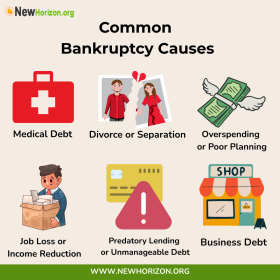
Small business owners often put their personal finances on the line to keep their operations afloat. When a business fails or suffers a downturn, personal guarantees on loans, credit cards used for inventory, and unpaid payroll taxes can overwhelm the individual. Bankruptcy may become the only option to separate personal survival from business failure.
The Three Main Types of Bankruptcy
There are different kinds of bankruptcy filings, each with distinct rules and consequences. Knowing the differences helps you better understand how creditors, credit bureaus, and lenders view your situation.
1. Chapter 7 Bankruptcy: Liquidation
- Best for: People with little to no assets and overwhelming debt
- What it does: Wipes out most unsecured debts like credit cards, medical bills, and personal loans
- Downside: You may lose non-exempt assets (like a second car or investment property)
- On credit report: Stays for 10 years
2. Chapter 13 Bankruptcy: Repayment Plan
- Best for: People with steady income who want to keep their assets
- What it does: Restructures your debt into a 3–5 year payment plan
- Downside: Requires consistent income and court oversight
- On credit report: Stays for 7 years
3. Chapter 11 Bankruptcy: Business Reorganization
- Best for: Business owners or individuals with extremely high debts
- What it does: Allows reorganization under court supervision
- Downside: Complex and expensive; rarely used by individuals
- On credit report: Typically seen in business credit histories
How Bankruptcy Affects Your Credit Score
Credit scores are calculated using five main categories. Bankruptcy impacts nearly all of them.
| Factor | Weight | Impact of Bankruptcy |
| Payment History | 35% | Missed payments and charge-offs lower your score before the bankruptcy is filed. Bankruptcy itself resets some accounts to “discharged,” but history still reflects delinquency. |
| Amounts Owed | 30% | Discharged debts may reduce total outstanding balances, which can help. But maxed-out or closed accounts still hurt. |
| Length of Credit History | 15% | Old accounts may be closed during bankruptcy, shortening your credit age. |
| Credit Mix | 10% | Losing credit cards or loans reduces your variety of accounts. |
| New Credit | 10% | Post-bankruptcy credit applications can lead to hard inquiries and denials, further impacting your score. |
How Low Can It Go?
Most filers see their credit score drop by 130–200 points after filing. A score in the mid-600s can fall into the low 500s or below.
How to Rebuild After Bankruptcy: A Step-by-Step Plan
 The good news? You can recover. And faster than you think—with the right plan.
Here’s a clear outline to help you get back on your feet and rebuild strong financial habits using tools like unsecured credit cards for bad credit, credit builder loans, and more.
Step 1: Review Where You Stand
- Pull all three credit reports (Equifax, Experian, TransUnion) at AnnualCreditReport.com
- Review your discharged accounts to make sure they are marked correctly (e.g., “included in bankruptcy”)
- Identify any remaining debts not covered by the bankruptcy (e.g., student loans, taxes, child support)
Step 2: Create a Monthly Budget
- List all sources of income
- Track fixed and variable expenses
- Cut non-essential spending
- Allocate funds toward emergency savings and rebuilding tools (like secured cards or credit builder loans)
Goal: Create a surplus that allows you to make on-time payments without stress.
Step 3: Build a Mini Emergency Fund
- Start with a goal of $300–$500 in a separate savings account
- Use this to cover surprise expenses without relying on credit
- Helps you avoid falling back into debt
Step 4: Open One Rebuilding Tool
Choose based on your current resources:
- Secured credit card if you have a small deposit
- Unsecured credit card for bad credit if you’ve been preapproved or qualify without a deposit
- Credit builder loan from a credit union or fintech company
Key Tip: Only open one to start. Use it for small purchases like gas or groceries and pay in full each month.
Step 5: Self-Report Positive Payments
- Use services like Experian Boost to report utilities and subscriptions
- Try rent reporting services (like LevelCredit or RentTrack)
- These can build a payment history without new debt
Step 6: Monitor Your Credit Monthly
- Use free tools like Credit Karma, Credit Sesame, or your credit card’s dashboard
- Watch your score improve gradually as you:
- Keep balances low
- Pay on time
- Avoid new hard inquiries
Step 7: After 6–12 Months, Consider a Second Tool
If you’ve been consistent:
- Apply for a second credit product (another card or a loan)
- Request a credit limit increase on your existing card
- Refinance any high-interest debt if your score has improved
Step 8: Reevaluate and Adjust Quarterly
- Review your budget
- Check your credit progress
- Update your goals
Bankruptcy was your reset. Now you’re writing the next chapter—on your terms.
What Are Unsecured Credit Cards for Bad Credit?
Unsecured credit cards don’t require a deposit. They work like regular cards: you’re approved for a small credit limit, and you repay what you spend.
Why Are They Offered to People with Bad Credit?
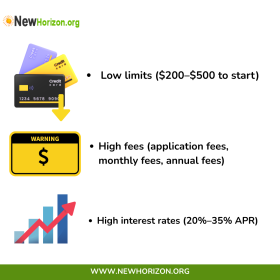 These cards typically come with:
- Low limits ($200–$500 to start)
- High fees (application fees, monthly fees, annual fees)
- High interest rates (20%–35% APR)
Lenders take a risk offering them, so they protect themselves by:
- Charging setup or processing fees
- Offering low starting limits
- Denying future credit limit increases unless your score improves
Despite the costs, responsible use of an unsecured credit card is one of the fastest ways to rebuild credit after bankruptcy.
How to Use an Unsecured Credit Card to Rebuild
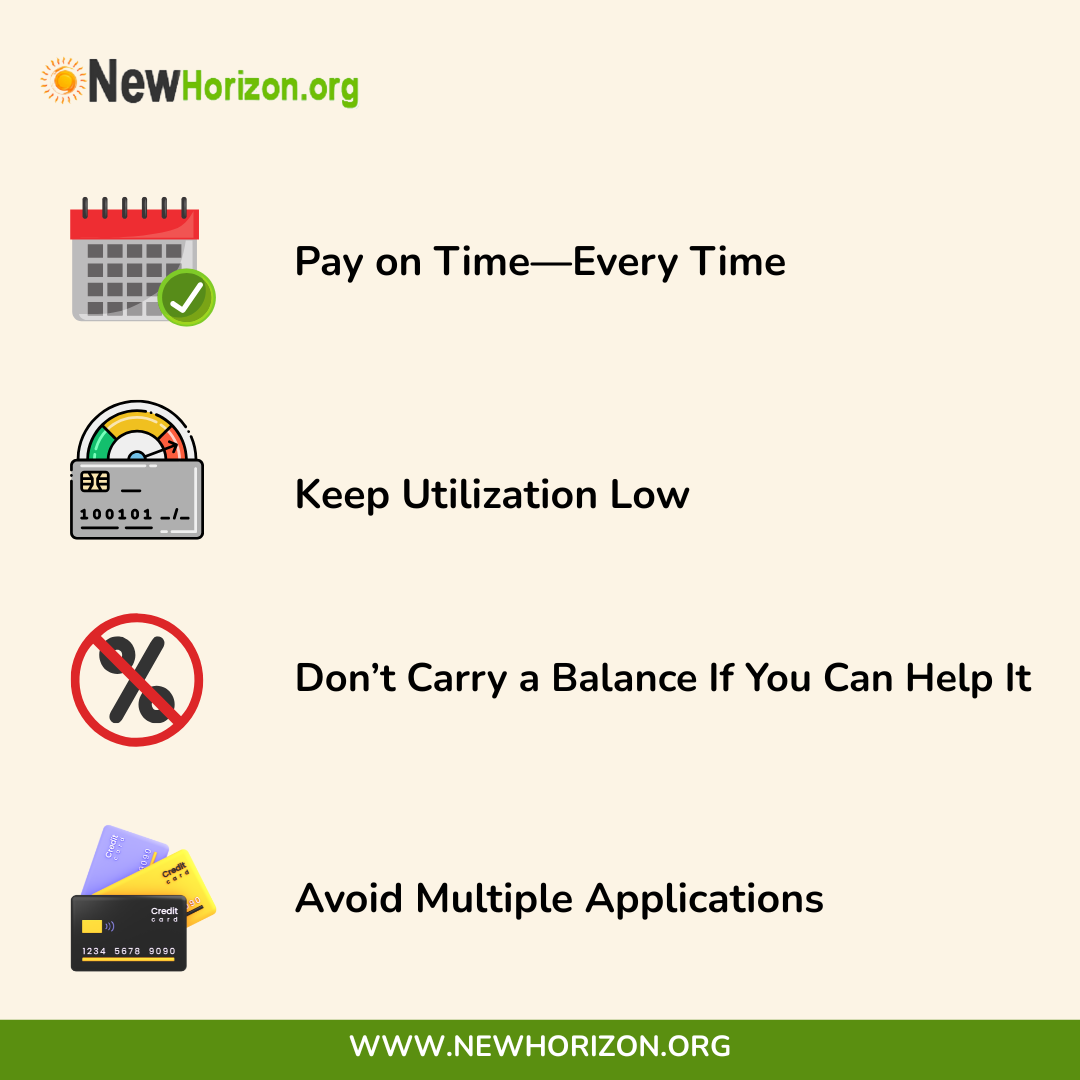
- Pay on Time—Every Time
Payment history makes up the largest portion of your credit score. Set up autopay or reminders to never miss a due date. - Keep Utilization Low
Never max out the card. Try to use less than 30% of the limit. If your limit is $300, keep your balance under $90. - Don’t Carry a Balance If You Can Help It
The interest rates are high. Paying in full each month avoids finance charges and shows lenders you’re reliable. - Don’t Apply for Multiple Cards at Once
Too many applications in a short time can hurt your credit history further.
Other Tools for Rebuilding Credit After Bankruptcy
While unsecured credit cards for bad credit are a key piece, they’re not the only tool. Here are some additional options you should consider:
1. Secured Credit Cards: A Powerful Credit Rebuilding Tool
If you’re fresh out of bankruptcy and looking for a safe, reliable way to rebuild your credit, secured credit cards are one of the best tools available—especially if you’re not ready for an unsecured credit card yet.
What Is a Secured Credit Card?
 A secured credit card looks and functions just like a regular credit card, with one key difference:
To open the account, you provide a refundable security deposit, which usually becomes your credit limit.
For example:
- If you put down $300, you’ll get a $300 credit limit.
- If you put down $500, your credit limit is $500.
The deposit protects the card issuer in case you default. But you’re still expected to make monthly payments just like with a regular card. The deposit is not used to pay your bill—you must pay your balance on time.
Why Secured Cards Are So Helpful After Bankruptcy
- Low Risk, High Reward
After bankruptcy, many lenders won’t extend unsecured credit due to your damaged credit history. But secured cards let you demonstrate responsible use without risk to the bank. That’s why they’re much easier to get approved for. - They Build Credit Like Regular Cards
As long as the card reports to the major credit bureaus (Equifax, Experian, and TransUnion), every payment you make builds your payment history—which accounts for 35% of your credit score. - They’re Predictable and Easy to Manage
Since your credit limit is tied to your deposit, it encourages mindful spending. You’re not likely to overspend on a card with a $300 limit. - Some Cards Can Graduate to Unsecured
Many secured card issuers offer a path to upgrade after 6–12 months of on-time payments. This can:- Refund your original deposit
- Increase your credit limit
- Transition you to a regular unsecured credit card
- They Help Improve Credit Utilization
If you keep your spending under 30% of your limit, you improve your credit utilization ratio, which is another major factor in your credit score. For example:- With a $300 limit, try to keep your balance under $90
- Pay the balance off in full each month to avoid interest
- They Don’t Require a Hard Credit Check (Sometimes)
Some secured cards offer pre-qualification without a hard inquiry, which protects your fragile credit score during the rebuilding process.
What to Look for in a Good Secured Credit Card
Not all secured cards are created equal. Some are designed to help; others are just a way for banks to charge fees. Here’s what to look for:
| Feature | What to Aim For |
| Low or No Annual Fee | Avoid cards with annual fees over $50 |
| Reports to All 3 Credit Bureaus | This is non-negotiable—make sure your efforts count |
| Low Minimum Deposit | Some cards start at $200; others let you deposit more for a higher limit |
| No Monthly Maintenance Fees | Avoid cards that charge monthly “service” or “processing” fees |
| Graduation Path | Prefer cards that offer an upgrade to unsecured after 6–12 months |
| Grace Period | Look for at least 21 days to pay your bill interest-free after each purchase |
Red Flags to Avoid

- High setup or application fees
- Cards that don’t report to all three bureaus
- Hidden fees buried in the fine print
- No option to graduate or get your deposit back
- Monthly fees that eat into your available credit
Tips for Using a Secured Card Effectively
- Only charge small, recurring expenses like a Netflix subscription, gas, or groceries
- Pay in full every month—don’t carry a balance
- Set up autopay to never miss a due date
- Monitor your credit utilization to stay under 30%
- Don’t cancel the card after you’re done with it—it helps your credit age and mix
When to Apply for a Secured Credit Card After Bankruptcy
- Chapter 7 Filers: Wait 60–90 days after discharge to allow credit reports to update
- Chapter 13 Filers: You may be eligible to apply sooner, depending on court permission and your repayment progress
Secured credit cards give you a chance to earn back trust—from lenders and from yourself. They’re not a sign of failure; they’re a smart, strategic tool to take control of your financial future.
2. Credit Builder Loans
- How they work: You “borrow” a small amount, but the money is held in a savings account while you make monthly payments.
- Why they help: Each on-time payment builds your credit history. When the loan ends, you get the money back.
- Tip: Check with local credit unions or online platforms that offer flexible terms.
3. Instant Approval / Guaranteed Approval Credit Cards: A Closer Look
For someone fresh out of bankruptcy and struggling to get approved for traditional cards, instant approval or guaranteed approval credit cards can seem like a miracle.
They promise a fast “yes” when everyone else says “no.”
But before you apply, it’s important to understand what these cards actually are—and whether they’ll truly help you rebuild your credit.
What Are Instant Approval or Guaranteed Approval Credit Cards?
These credit cards are marketed to people with bad credit, no credit, or recent bankruptcies. As the names suggest:
- Instant approval cards give you a decision within minutes, usually based on minimal credit requirements or identity verification.
- Guaranteed approval cards claim to accept anyone, regardless of credit history, income, or bankruptcy status.
Unlike secured cards, these are typically unsecured—meaning you don’t have to put down a deposit.
Sounds Good—So What’s the Catch?
While these cards are accessible, they come with major trade-offs:
| Feature | What to Expect |
| Credit Limit | Very low (often $200–$300) |
| Fees | High upfront fees, monthly maintenance fees, or processing fees |
| Interest Rates | Often 29%–36% APR |
| Reporting | Some cards don’t report to all three bureaus—or at all |
| Credit Building | May require you to self-report payments or enroll in a paid “credit reporting” program |
Some guaranteed approval cards are really just store cards or catalog cards—you can only use them to shop from a specific site or catalog that’s marked up with inflated prices. These won’t help your credit unless the issuer reports your payment history to the credit bureaus.
Why Self-Reporting Matters
If a card doesn’t report your payment history automatically, you’ll have to report it yourself, or it won’t help your credit score at all.
Tools to Help You Self-Report:
- Experian Boost: Lets you add positive payment history for utilities, streaming services, and select credit accounts
- Grow Credit: Offers a virtual card to pay subscriptions like Netflix or Hulu while reporting your payments to credit bureaus
- LevelCredit / RentTrack: Used to report rent and utility payments
- Credit Karma’s Credit Builder: Some platforms allow linking accounts to report to bureaus if the original lender doesn’t
Always verify which bureaus the card reports to—and whether they do it automatically or require your participation.
Some Come with “Credit Builder Programs”
Certain instant or guaranteed approval cards require enrollment in a credit builder program to report your activity. This may involve:
- Paying an extra monthly fee (e.g., $9.99–$19.99/month)
- Agreeing to regular bank drafts to show consistent payment behavior
- Purchasing goods or services through a proprietary catalog or platform
While these programs can work, they often cost more than secured cards and offer less value.
When These Cards Might Make Sense
- You’ve been denied for both secured and unsecured mainstream cards
- You need to diversify your credit mix
- You’re comfortable with the fees and understand the limitations
- You’re committed to on-time payments and low balances
- You use self-reporting tools or verify that the issuer reports to all 3 bureaus
When to Avoid Them
- If the card doesn’t report to credit bureaus—it won’t help you rebuild
- If the fees outweigh the benefit (especially if it costs $100+ just to open)
- If it’s a “merchandise card” that doesn’t work anywhere else
- If you qualify for a secured card or credit builder loan instead
Example Fee Breakdown (Typical for these types of cards)
| Fee Type | Amount |
| Processing Fee | $89 (one-time) |
| Monthly Maintenance Fee | $9.95/month |
| Annual Fee | $75–$99 |
| Credit Limit | $300 (often reduced by fees at first) |
As you can see, your available credit may only be $150 or less after fees, which drives up your credit utilization ratio and can actually hurt your credit score.
How to Choose Wisely
If you’re considering one of these cards:
- Check if they report to all three credit bureaus
- Read reviews and consumer complaints (look them up on forums or the CFPB website)
- Ask if self-reporting is required
- Add your card to Experian Boost or Grow Credit if needed
- Make a plan to upgrade or cancel the card once your credit improves
A Temporary Tool—Not a Long-Term Strategy
Guaranteed approval cards may serve a purpose in your recovery journey—but they should not be your main tool. Think of them as a stepping stone. Use them responsibly, but also look for better products (like secured cards or credit builder loans) that can grow with you and cost less in the long run.
4. Rent and Utility Reporting Services
Services like RentTrack, LevelCredit, and Experian Boost allow you to self-report rent, utilities, and subscriptions to major credit bureaus.
These don’t require taking on new debt but can still help establish consistent monthly payments in your history.
5. Keep Old Accounts Open If Possible
If you had accounts that survived bankruptcy (like a car loan or student loan), keeping them current helps maintain credit mix and account age.
What to Avoid During Rebuilding
- High-Fee “Subprime” Cards That Don’t Report to All Bureaus
If it doesn’t help your credit report, it’s not worth the fee. - New Debt Without a Plan
Taking on loans or new cards just to “feel normal” can backfire. - Applying Too Soon After Bankruptcy
Give it a few months. Focus on education, budgeting, and planning. - Cosigning for Others
If they miss a payment, your score takes the hit.
Budgeting and Saving Are Part of the Plan
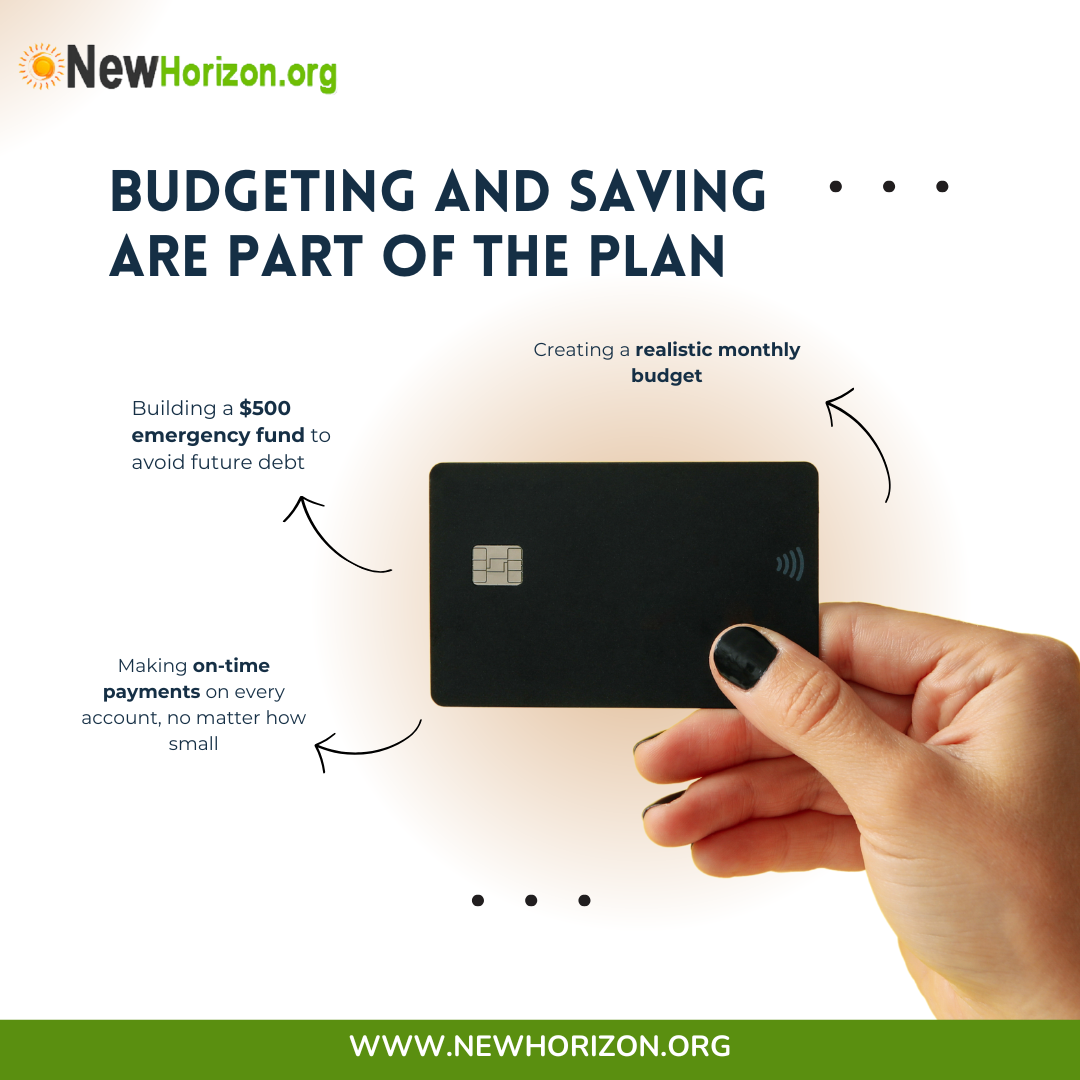 Bankruptcy can feel like starting over with nothing. But that’s also the gift: a chance to rebuild smarter.
Start by:
- Creating a realistic monthly budget
- Building a $500 emergency fund to avoid future debt
- Making on-time payments on every account, no matter how small
Rebuilding Is a Process, Not a Sprint
Most people can see their credit score improve significantly within 12–18 months if they follow a plan. Here’s a suggested credit recovery timeline:
| Month | Action |
| 1–3 | Pull credit reports, open secured card, pay all bills on time |
| 4–6 | Add credit builder loan or rent reporting service |
| 7–9 | Apply for one unsecured credit card for bad credit |
| 10–12 | Keep utilization low, build emergency fund, avoid new applications |
| 12+ | Evaluate credit improvement, ask for limit increases, consider refinancing high-interest debts |
What to Look For in the Best Unsecured Credit Cards for Bad Credit
When you’re ready to apply, don’t just choose the first offer that approves you. Look for:
- Reports to All Three Bureaus: Experian, TransUnion, Equifax
- Low Annual Fee: Some are as high as $99—look for ones under $49
- No Hidden Monthly Fees: These add up quickly
- Clear Terms: Read the fine print. Know your APR, fees, grace period, and penalties
- Upgrade Path: Some cards convert to regular credit cards with good payment history
You Deserve a Second Chance

Bankruptcy may have been your reset button, but it doesn’t define your future. You’ve already made the hard decision to face your debt. Now it’s time to rebuild, step by step, using the tools designed for people like you.
Unsecured credit cards for bad credit are one of those tools—when used wisely. Pair them with budgeting, on-time payments, and smart credit habits, and you’ll be amazed at what you can accomplish in the next 12 months.
You don’t have to be stuck. You don’t have to wait 7 years. You just have to start.
Final Tip: Before you apply for any credit product, compare offers carefully. Use a checklist, review consumer reviews, and don’t be afraid to wait another month if your score needs time to improve. The better your score, the better your terms.